Donghoon Gang is an artist, composer, and researcher.
Triglossia, 2026
Solo Exhibition at Kumho Museum of Art, Seoul
06.03 - 12.04.26
Text. Jiwon Song
Donghoon Gang is an artist, composer, and researcher based in Germany and Korea. Working across visual and auditory media, he explores convergent and alternative modes of expression. Grounded in comparative musicology, music psychology, and philosophy, his practice centers on sonic elements, including the appropriation of musical languages and collaborations with instrumental performers. Gang’s practice begins with a self-awareness of his position as an East Asian artist working with Western music, and develops into a critical inquiry into the system we call “music” as a construct shaped by historical and political conditions. This awareness is linked to the modern, visually centered knowledge framework that has long treated hearing as a subordinate sense, a hierarchy the artist critically reexamines. As a result, his work minimizes visual language while foregrounding sound as a means of expanding sensory experience. In recent years, drawing on his research into modern and contemporary Korean music history, Gang has focused on the role played by auditory media in psychological warfare and propaganda shaped by war and ideology. The exhibition Triglossia examines the emergence of South Korea’s broadcasting institutions duringthe post–Cold War period, situating their formation within broader political and social contexts. It constitutes the “South–North” chapter of the ongoing series East · West · South · North[1], which unfolds across both exhibition and publication formats.
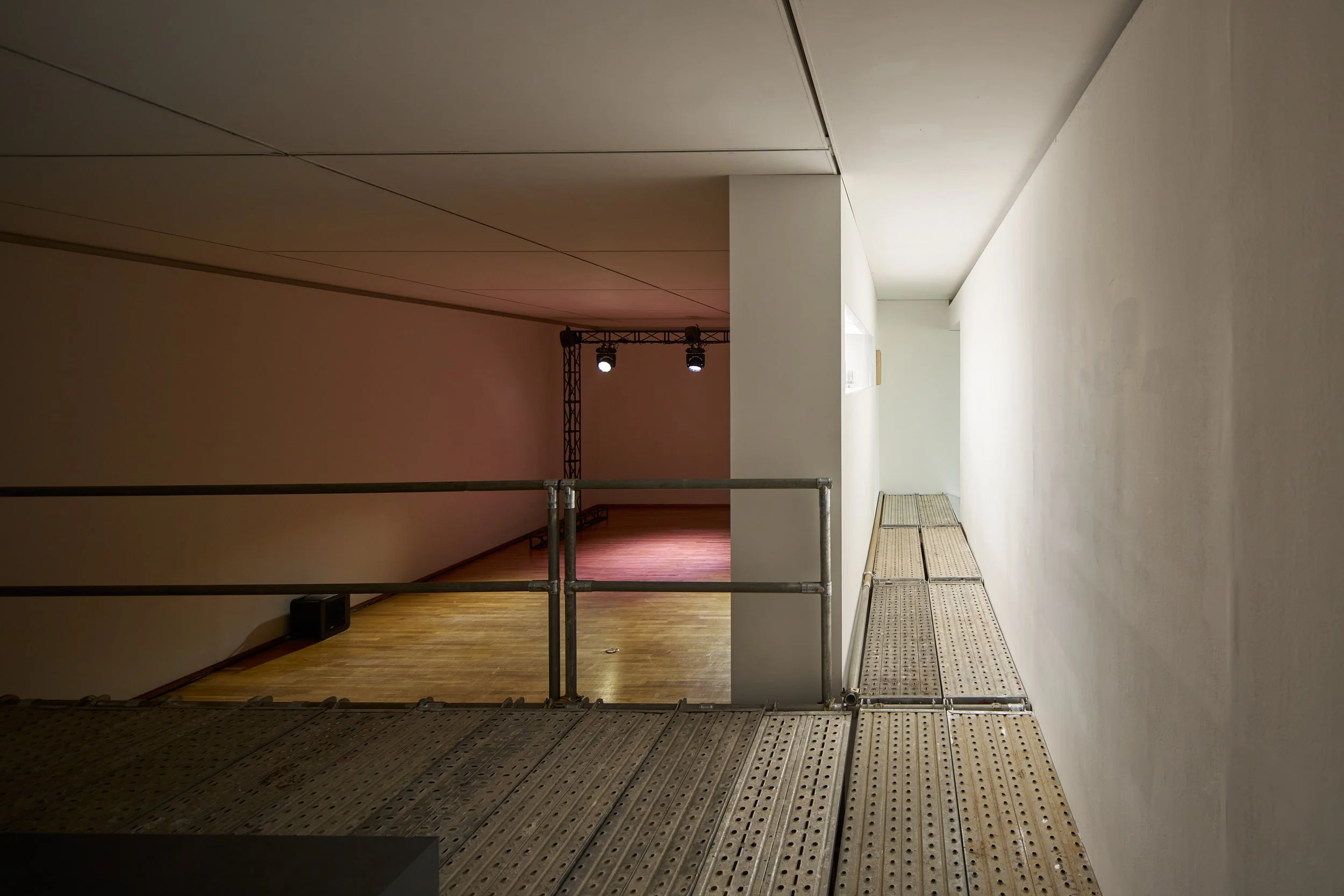
The exhibition title Triglossia refers to a sociolinguistic phenomenon in which three distinct languages are used in parallel within a single community for political and social reasons. Adopting this concept as a theoretical framework, Gang examines how radio, one of the central mass media of modernization and colonialism, has functioned across individual, communal, and political contexts. He developed a fictional drama script set during the turbulent period of Japanese colonial rule, when competing ideologies intersected and collided. Produced in collaboration with voice actors and musicians, the drama is recorded and staged as an immersive environment structured through multi-channel spatial sound. Through song lyrics, narrative composition, and character dialogue, visitors experience the historical atmosphere of the period through listening. The work foregrounds the conditions through which sound is historically constructed while extending the formal possibilities of the invisible auditory medium.
[1]
The previously published East · West(2025) by Donghoon Gang addresses the history of popular music in South Korea, tracing the trajectories of Korean musicians who traveled to Europe for study.
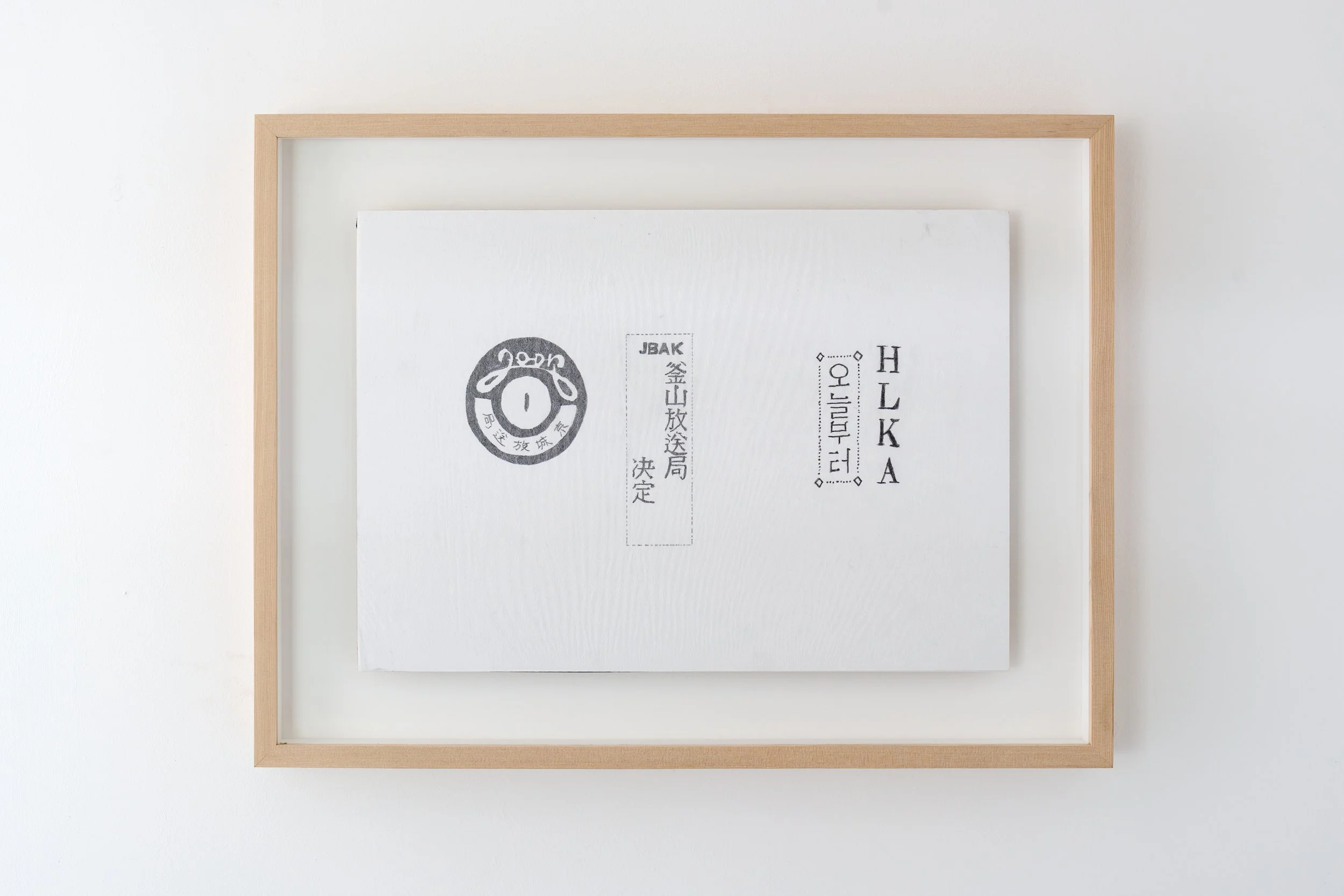
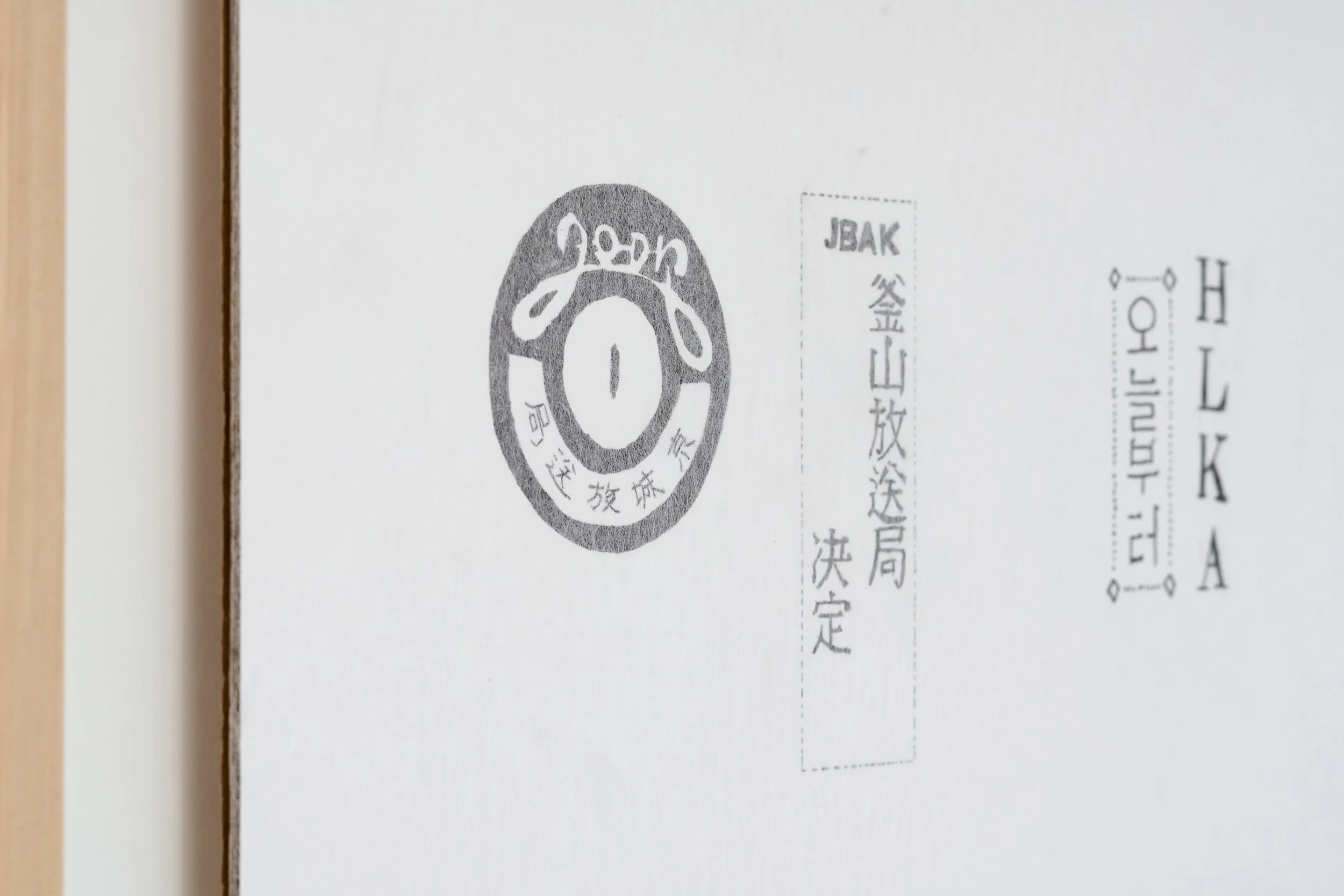
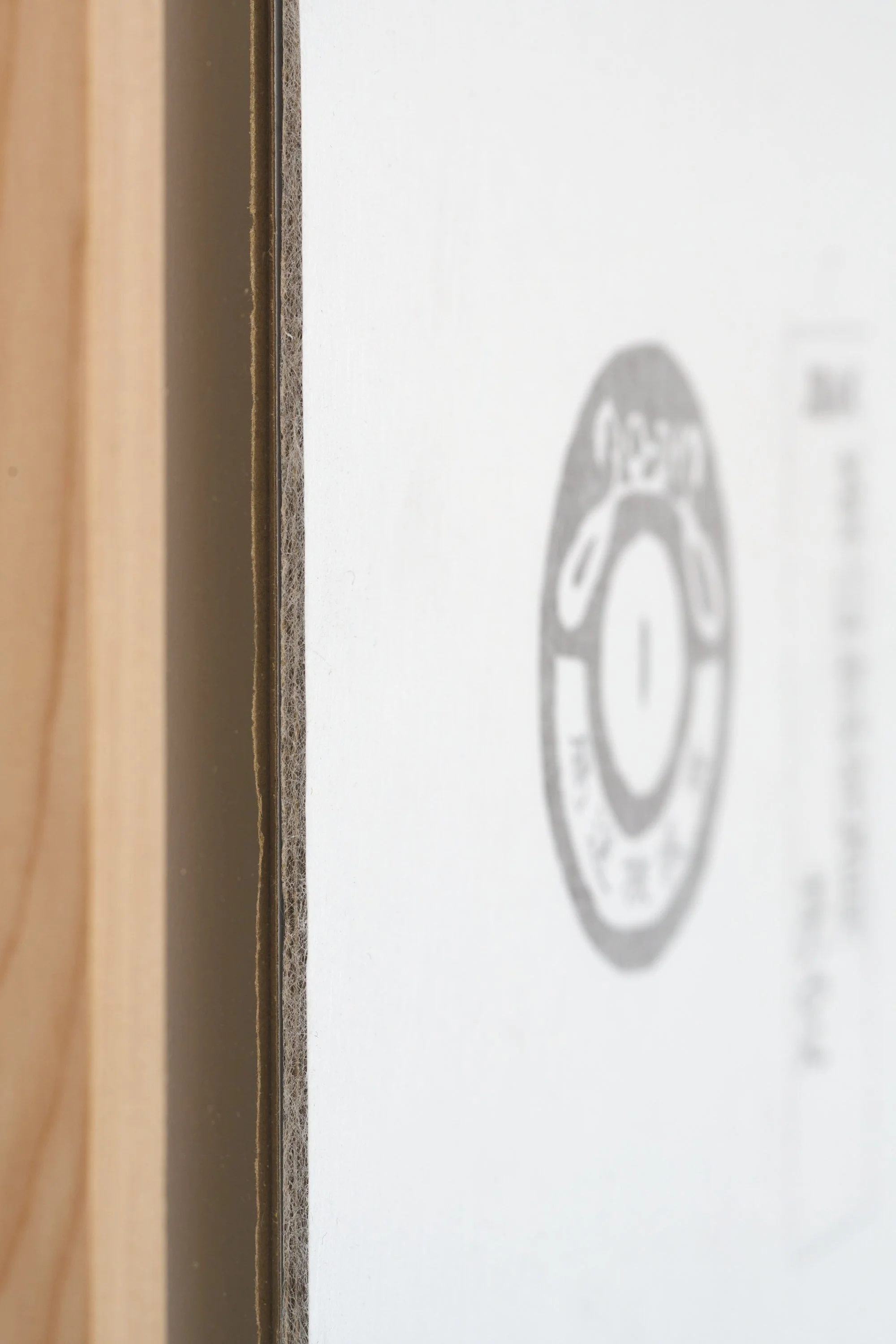
JO_JB__HL, 2026
Pencil drawing on washi on cardboard, wrapped with hanji and overdrawn with pencil
29.7x42cm.
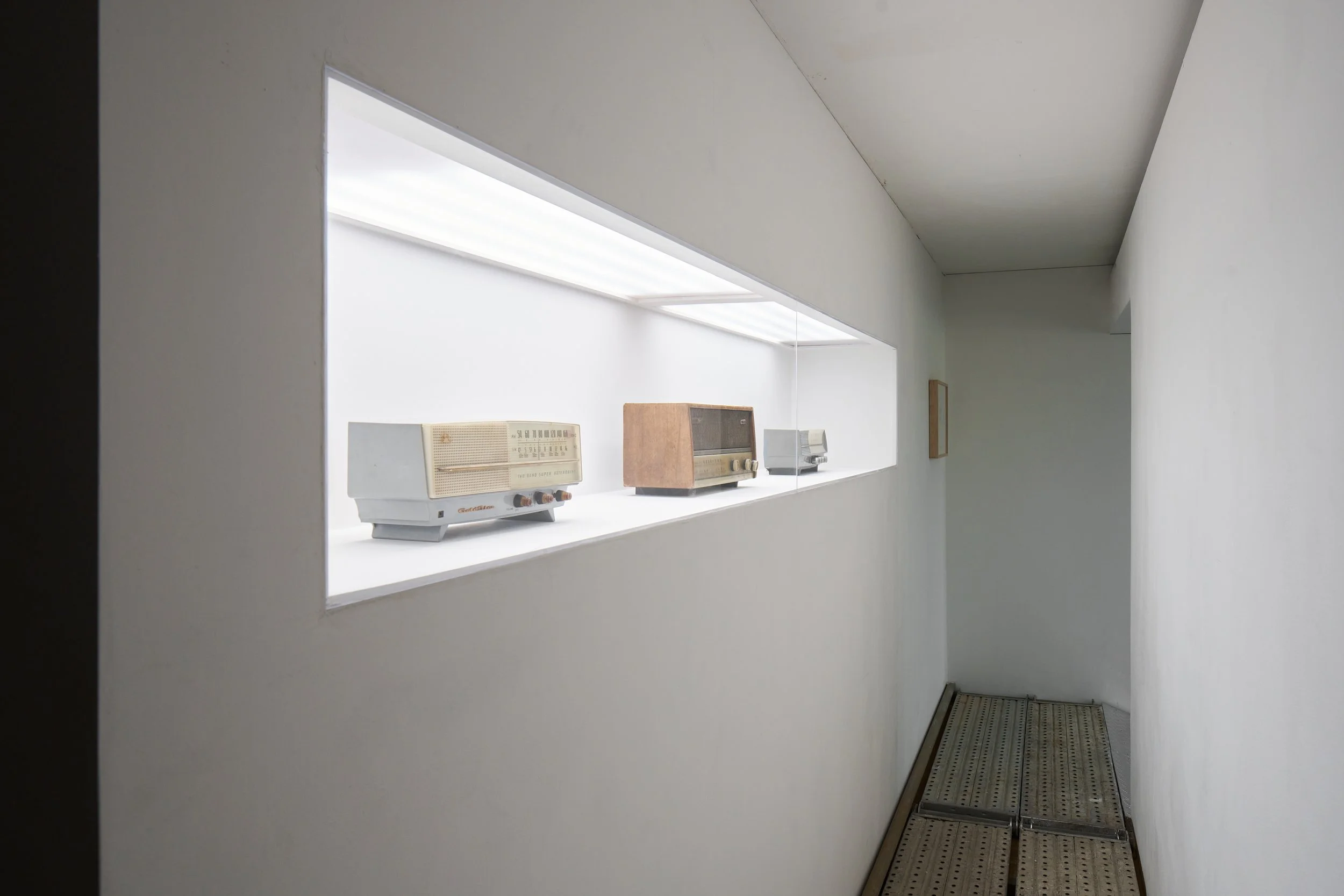
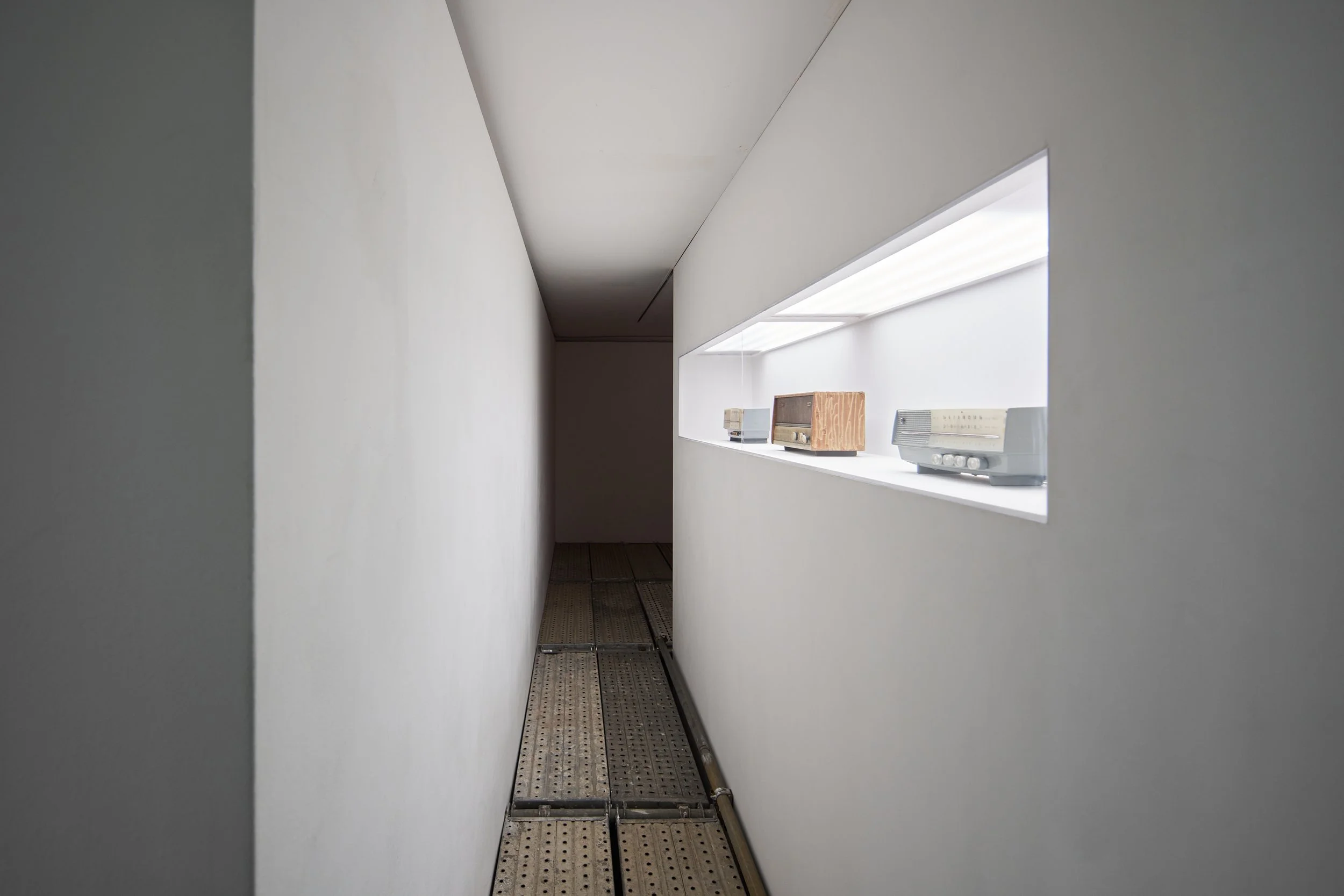
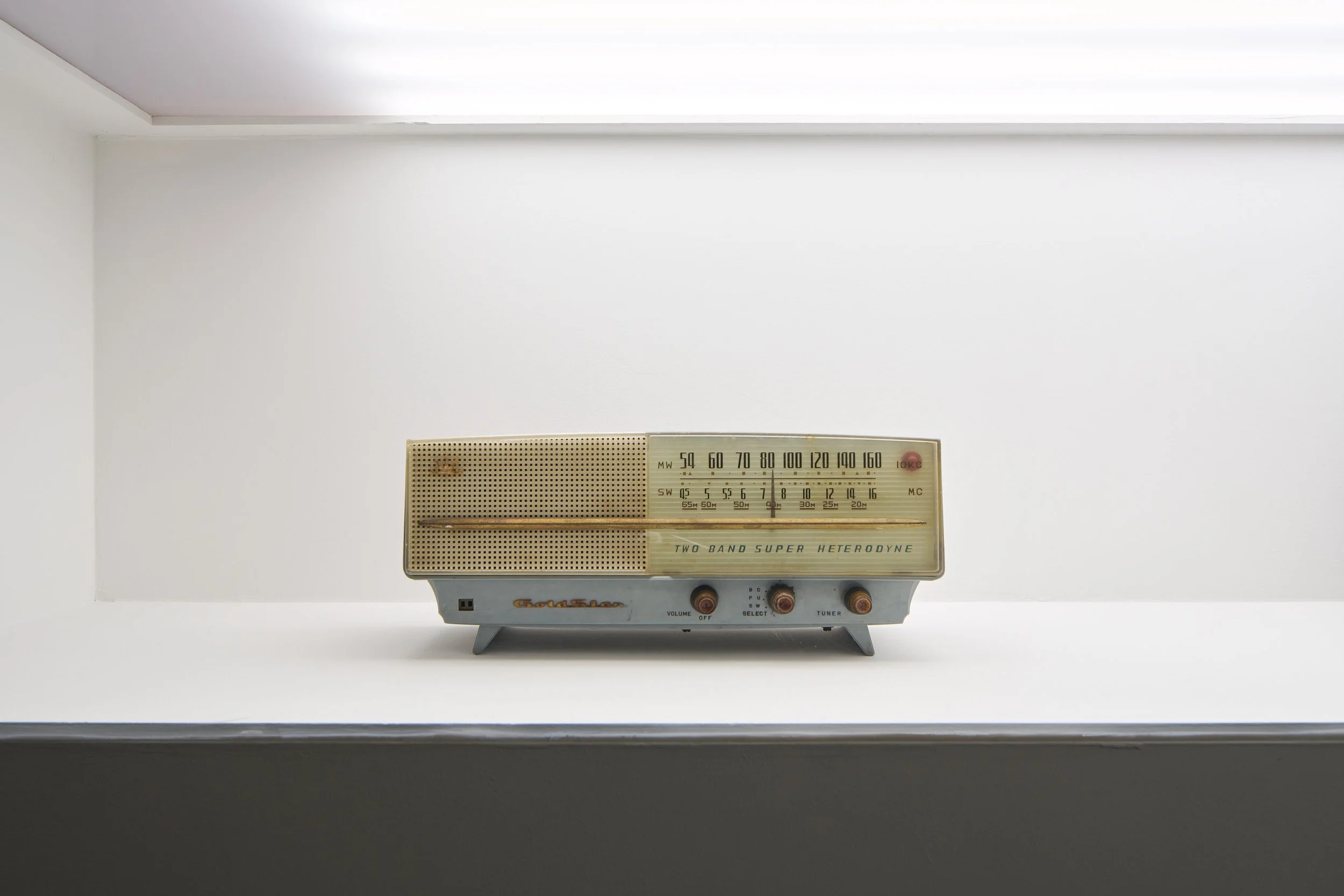
GoldStar (now known as LG Electronics), A-501
1959, 42.5 × 15.2 × 17.5 cm, vacuum tube radio
Courtesy of the National Folk Museum of Korea
The first product of GoldStar, the predecessor of present-day LG Electronics, the A-501 achieved localization of more than 60% of its internal components. It was recognized as the first domestic radio in Korean history, despite earlier models produced by Samyang Electrics and Chunu Co. In 2013, it was designated a Registered Cultural Heritage of Korea, the only radio to hold this status.
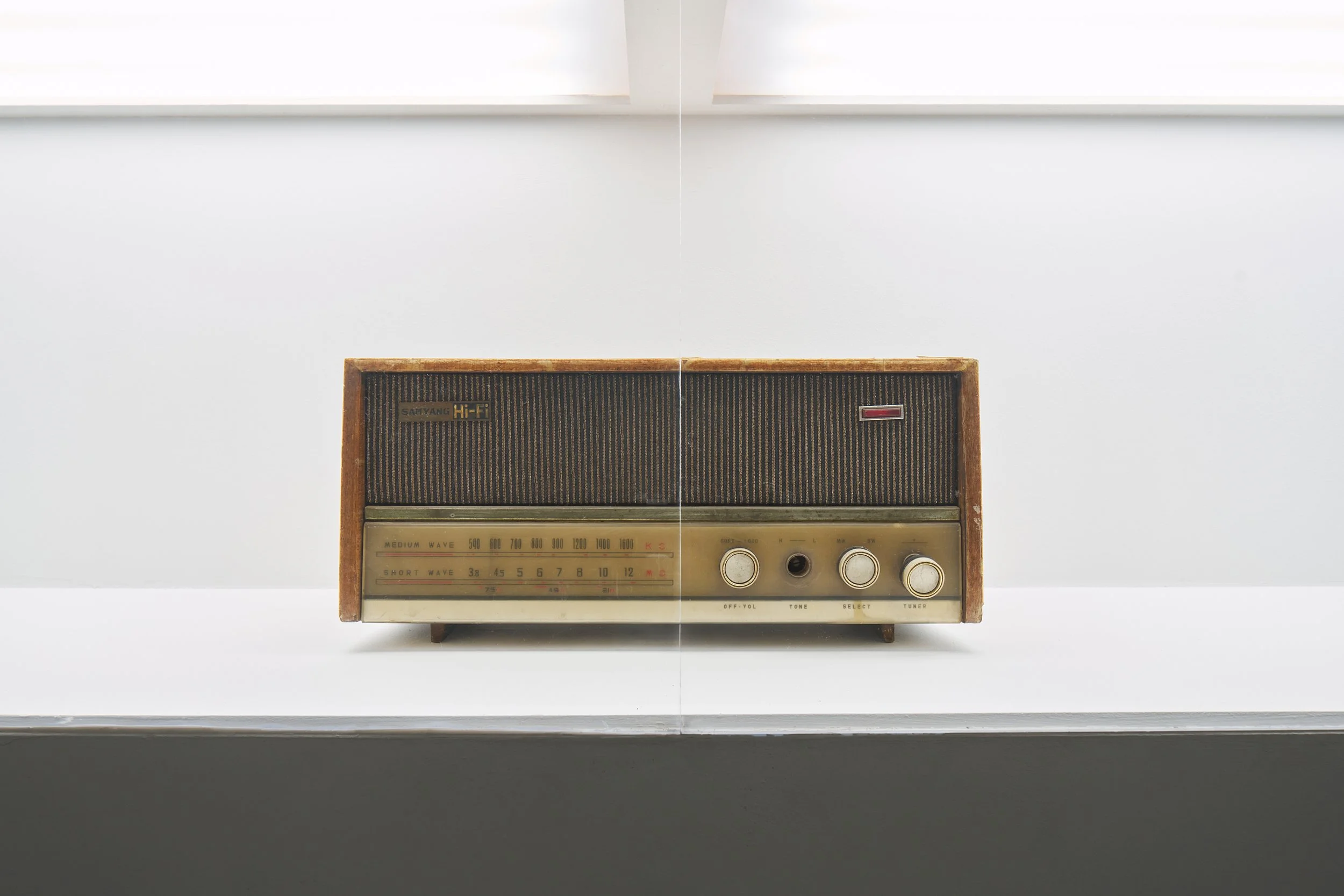
Samyang 5S-1A
1957, 49 × 23 × 8 cm, Vacuum tube radio
Courtesy of the National Science Museum of Korea
Released two years prior to GoldStar’s A-501, this radio was produced at a time when Samyang Electric maintained a cooperative relationship with Japan’s Sanyo Electric. In 1969, a joint venture between Sanyo Electric and Samsung Electric established Samsung–Sanyo Electric which was later renamed Samsung Electro-Mechanics.
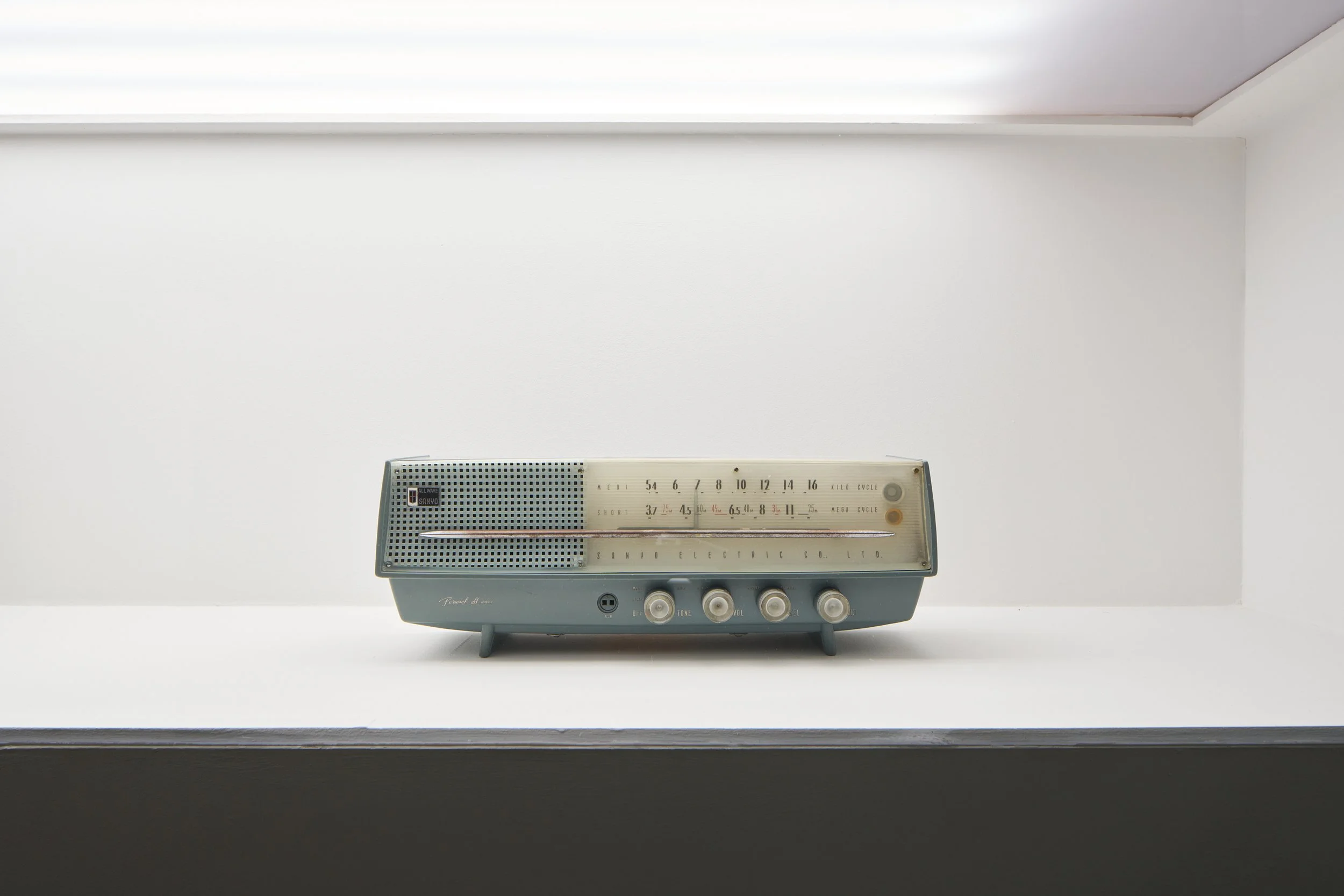
Sanyo SF-78
1958, 43 × 16 × 15 cm, vacuum tube radio
Private collection
A vacuum tube radio produced by Sanyo Electric, founded in 1947 by Toshio Iue (1902–1969), a former executive of Matsushita Electric. The model is often cited as a technical and formal precedent for GoldStar’s A-501. In 2009, Sanyo Electric was acquired by Panasonic.
The Shadowless Voice, 2026
25min, 5.1-channel surround installtaion with DMX lighting.
Voice Actors | Kyungeup Nam, Seohyun Kwon, Haeun Min, Kyung Jin
Featured Songs
1. Solji Kim - Into Winter
Composed and Written by Donghoon Gang
2. Kyungeup Nam - There
Composed and Written by Donghoon Gang
Piano by Ehyun Kim
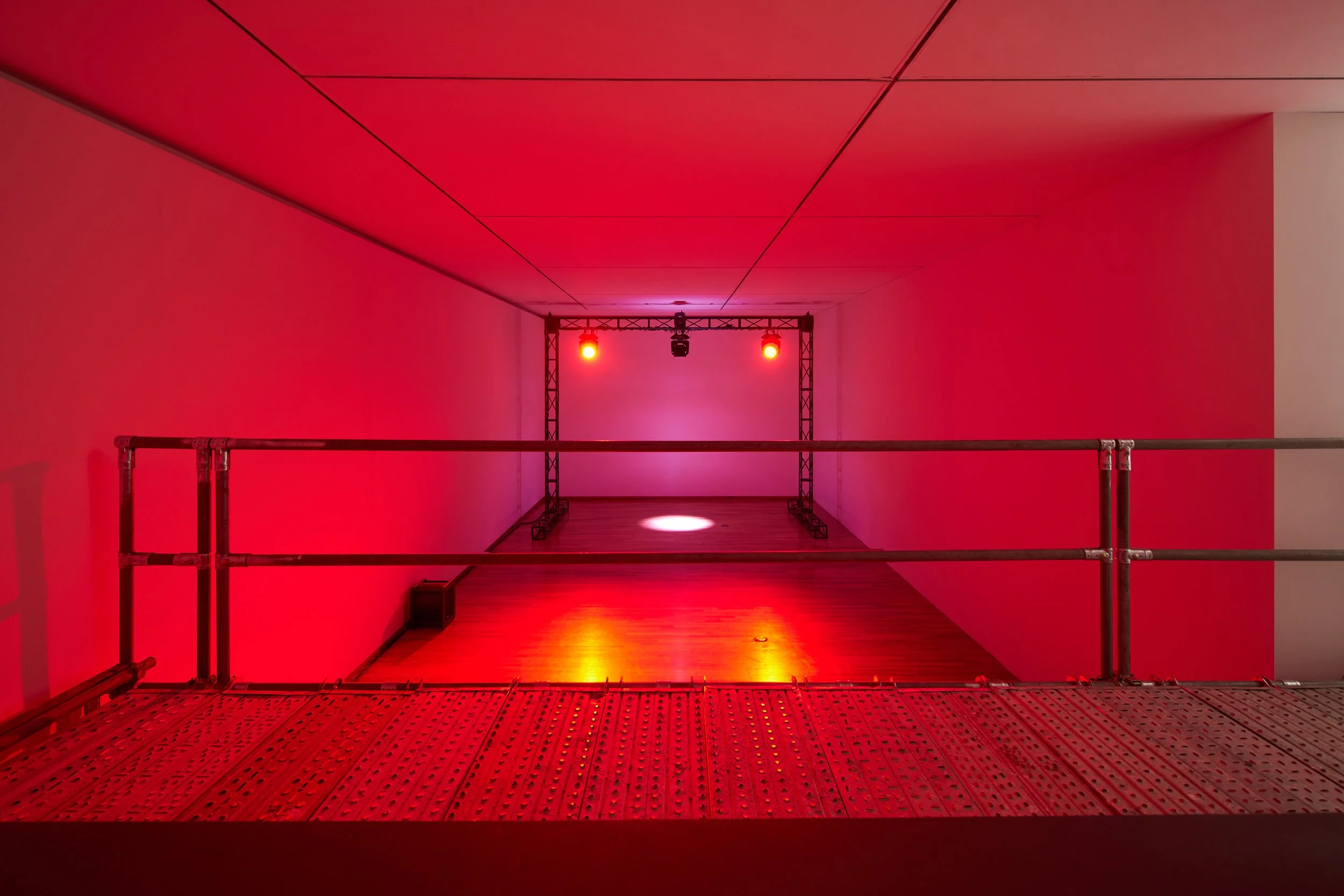
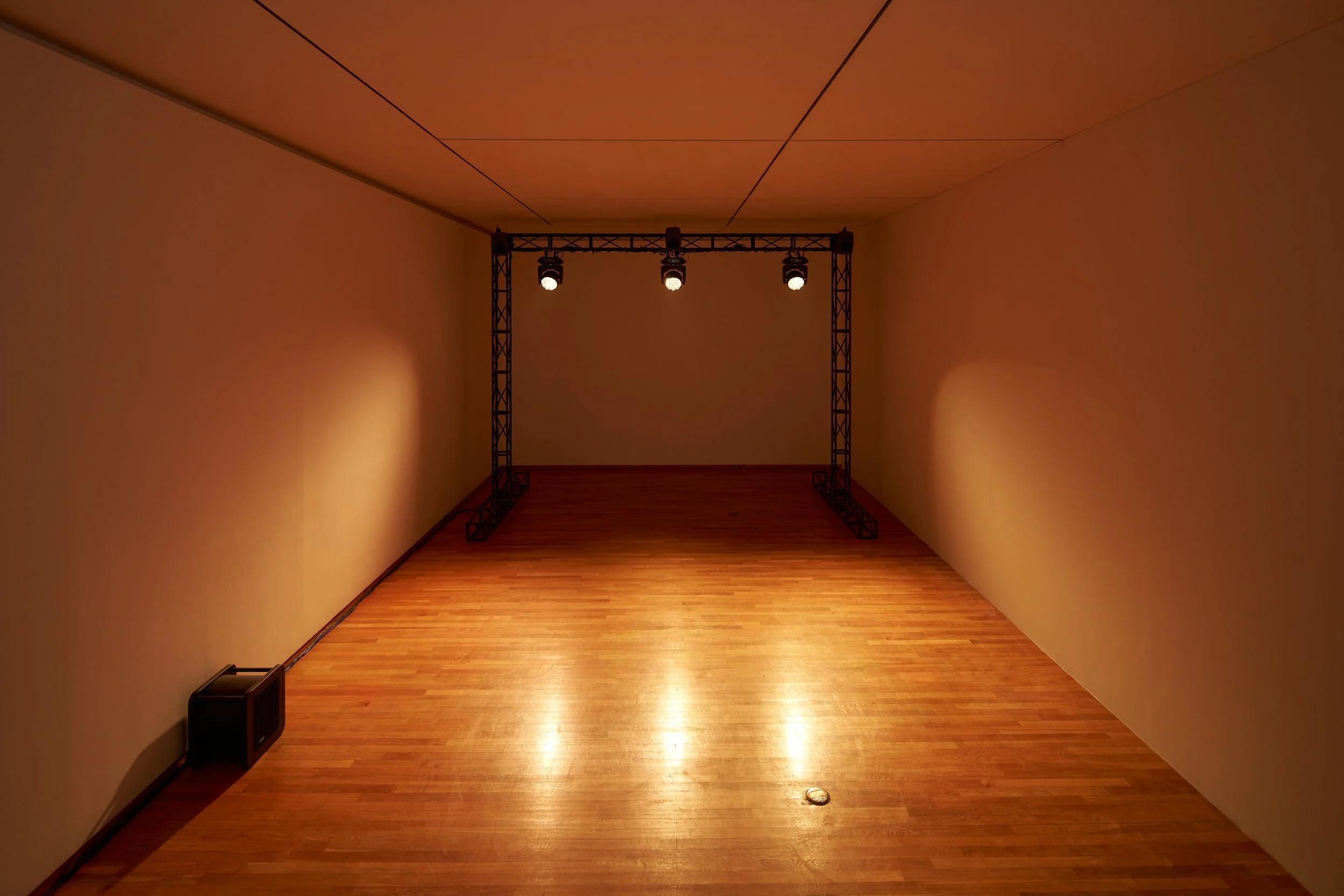
Spatial Installation | Shampoo
Sound Installation | Solomon Engineering Professional Engineer Office
Lighting Programming | Loksu
Project Manager | Hongmin An
Photo and video documentation. Dongwoong Lee
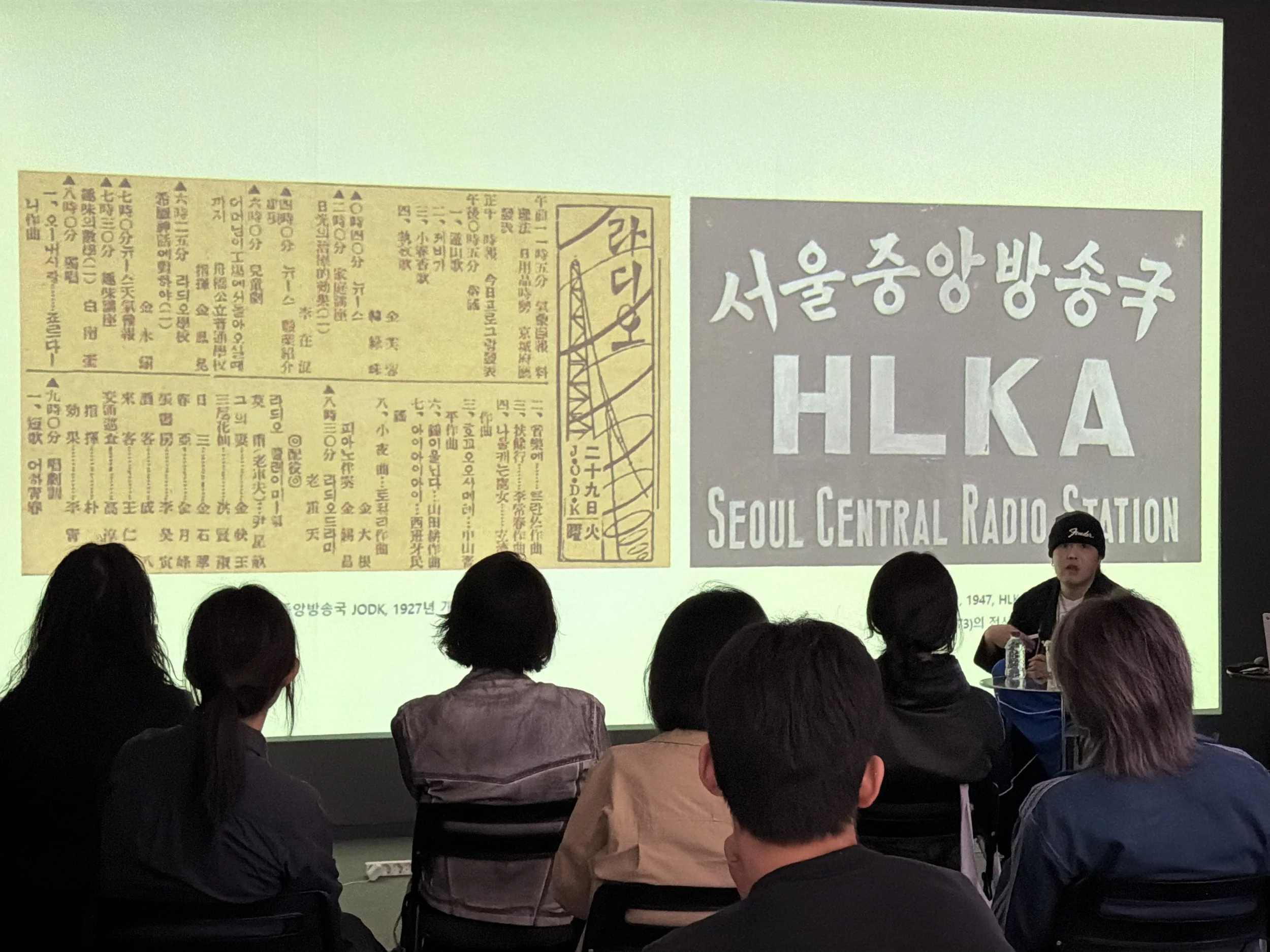
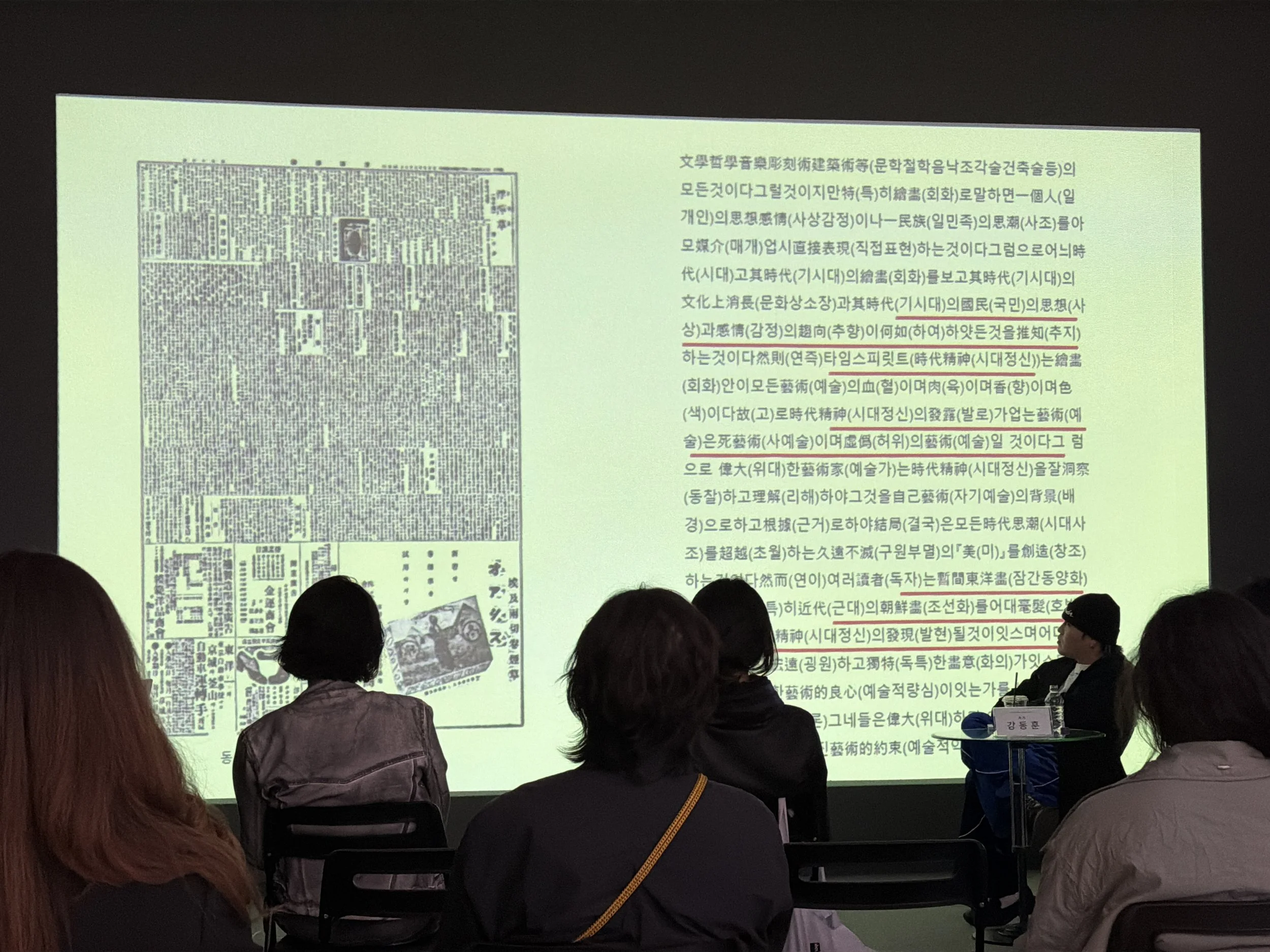
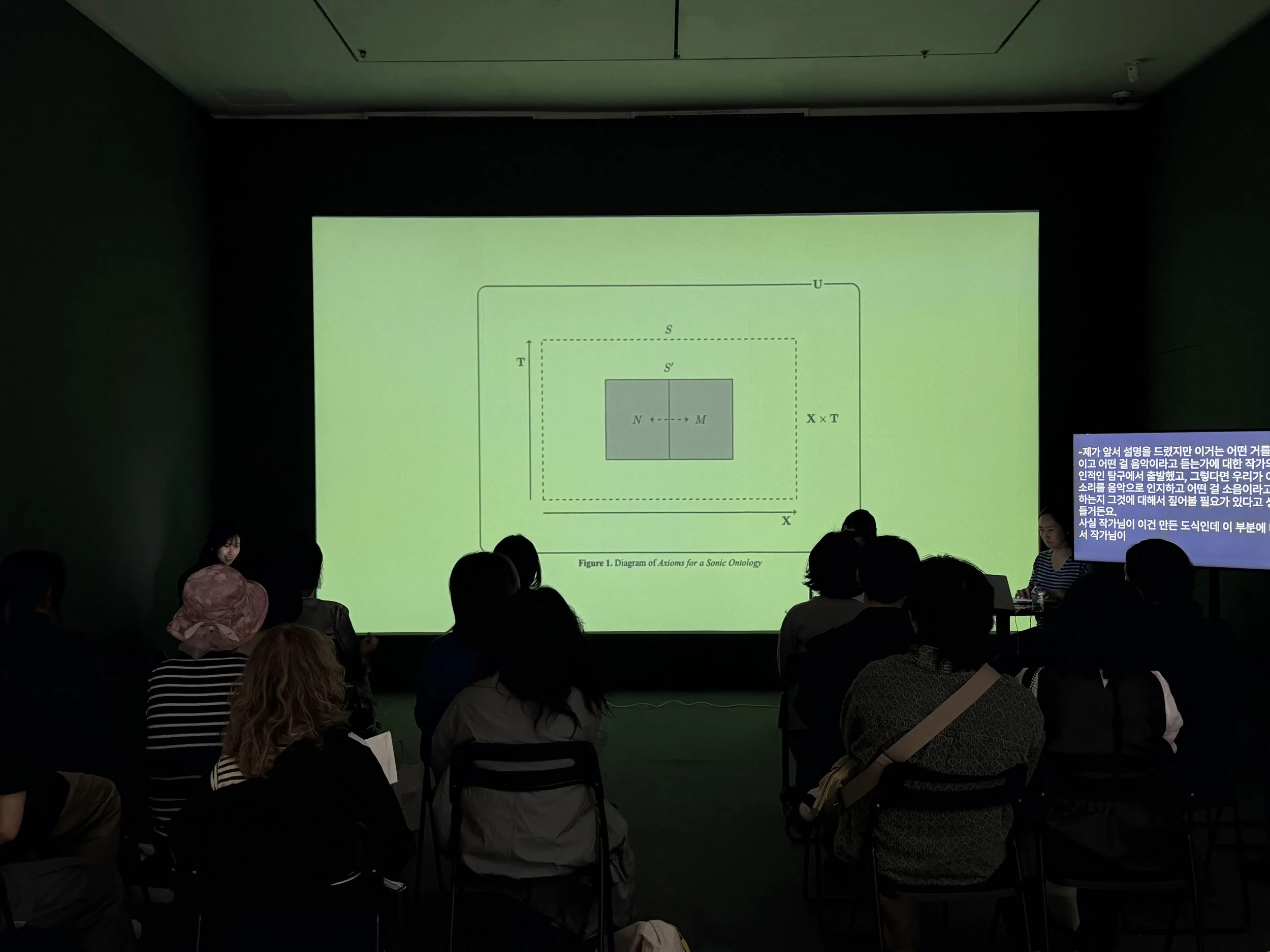
Artist Talk at Kumho Museum of Art