Donghoon Gang is an artist, composer, and researcher.
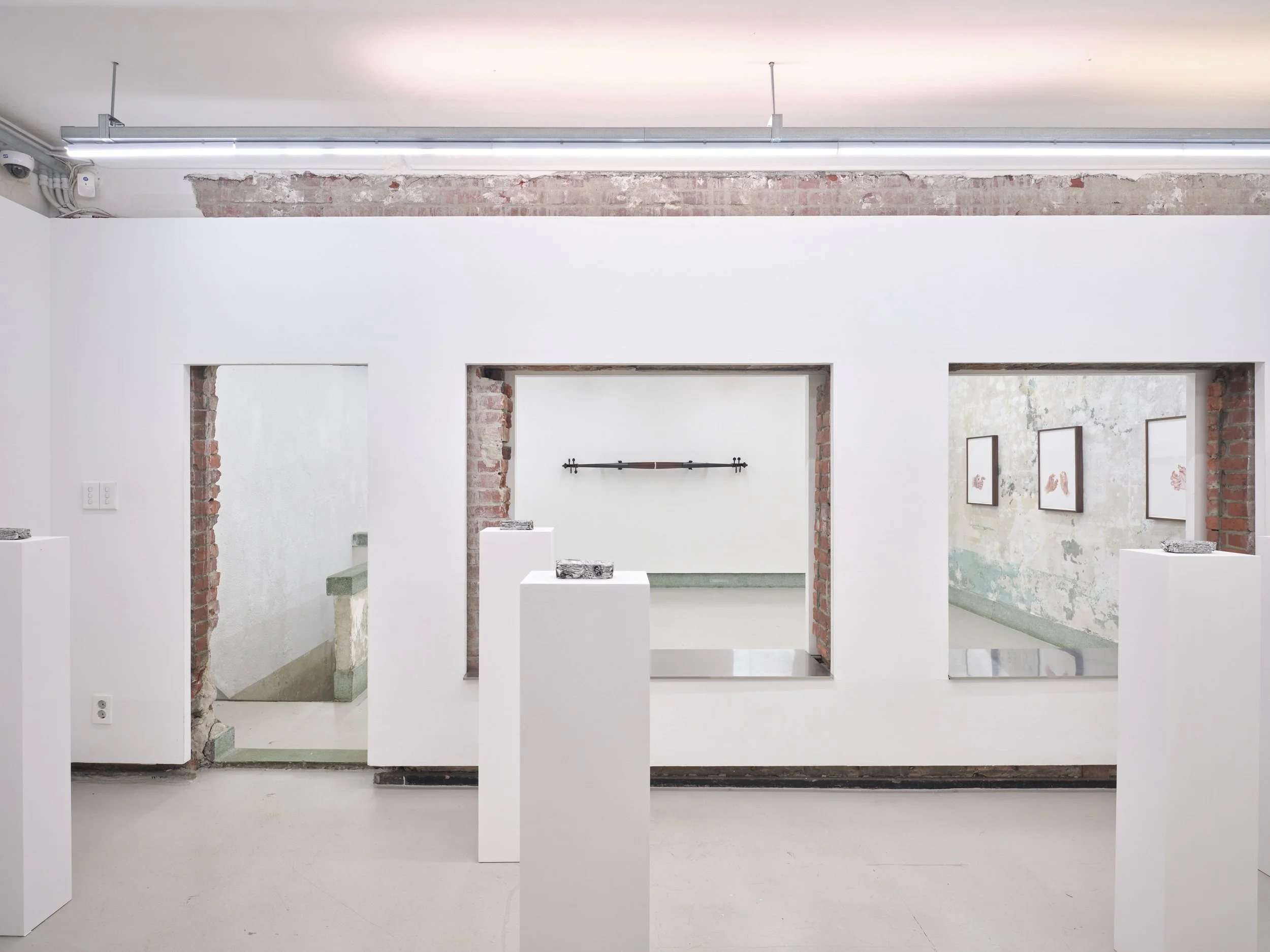
Envelopes, 2026
Duo exhibition with Siyi Li at N/A, Seoul
06.03 - 12.04.26
Text. Jungmin Cho
I sometimes just stare at the palms of my two hands. Tracing the countless lines and veins that run across them, there are moments when they feel strangely alien, as if they belonged to someone else, despite having lived as part of me my entire life. When I was a child, I imagined that invisibly tiny ants were constantly crawling across them. I believed the faint, wind-like vibration that I can hear when I cup my ears with my hands was the sound of their movement. Now, I curl my fingers inward and clench a fist. These segmented joints that move at my will feel wondrous, trivial, and grateful all at once. Thanks to them, I have grasped so many things.
Yet, as Vilém Flusser said, the hands are not interested in the object they grasp for its own sake; they “play with it,” and that is a specifically human movement. They are not interested in the object in itself; rather, the object interests them as a “problem,” as an obstruction. The gesture of grasping is not “pure.” It is “practical.” The histories of humanity, of the senses, of the individual, of myself, have developed in this way. When the hand extends toward an object and effects transformation, the entire body participates, and the hands alone are illuminated, and everything else is left in diffuse and obscure margins of the field of vision. Then, the very notion of “the hand” becomes abstract. In Donghoon Gang and Siyi Li’s duo exhibition Envelopes, the artists erase the typical functions and symbols of objects born through human hands, choosing instead to remain as gestures within a process. In doing so, they reveal the relationship between visible tools and invisible sensation. This appears particularly as a “musical gesture” between Gang—who has long focused on the visual conditions and materialization of sound—and Li—who has attended to the disappearing materiality and sensory qualities of the everyday.
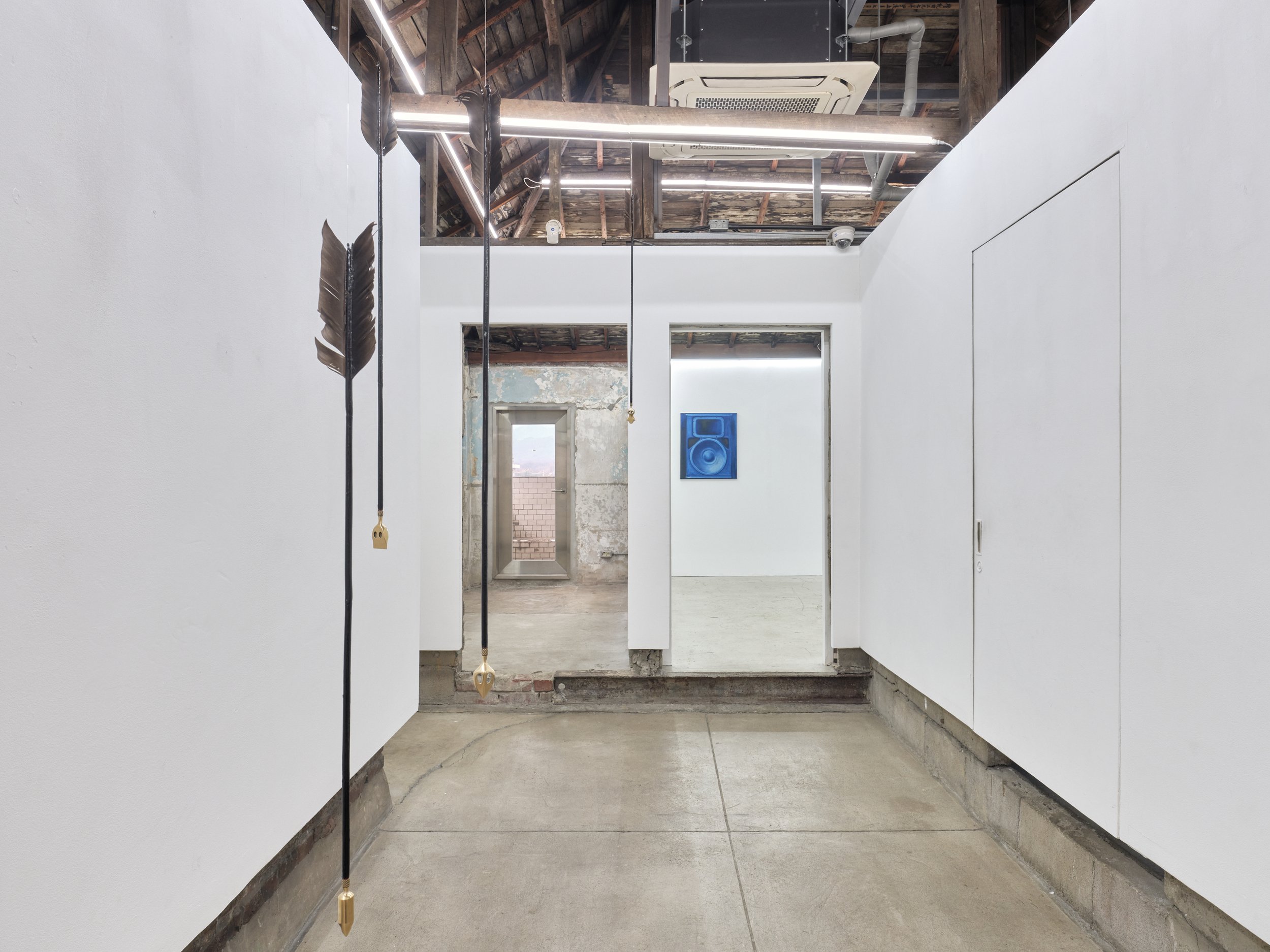
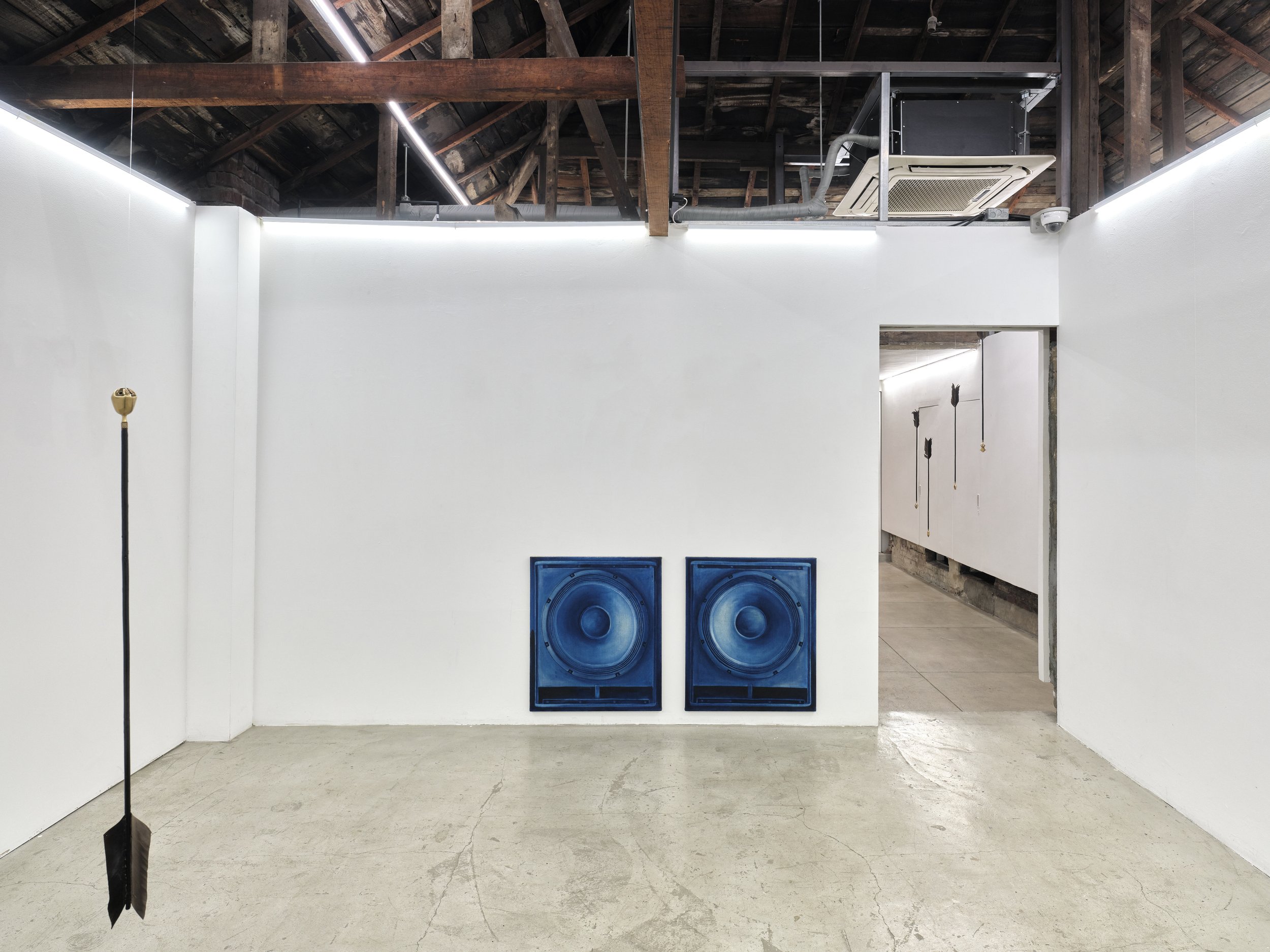
Gang brings the presence of hearing to the fore by subverting and erasing the conventional functions of objects, questioning the hierarchical relationship with vision: cello sculptures composed solely of the fingerboard for the notes—without the resonating body that produces sound or the bow that sets the strings in motion—and transformed arrowheads once shot into the air as sound signaling devices in wartime. In response, Li’s monochrome canvases, which convert the entire surface into speakers and subwoofers, amplify sound within silence while evoking geometric celestial bodies, moving beyond the boundary between sight and sound toward the possibility of other sensory domains.
Their work moves beyond an inquiry into human senses as classified through the modes of abstraction and figuration. It extends to how these senses are utilized, manipulated, and instrumentalized to become incorporated into, or help form the basis of, social structures. Under strict drug control policies in China, Monster energy drinks, consumed among youth as a kind of recreational substance, are compressed by Li into forms resembling bricks or silver bars, evoking units of value and revealing how invisible, fleeting experiences of entertainment and stimulation are commodified within social structures.
His colored pencil drawings, which remove the object from the hand and focus instead on the act of “ignition”—fireworks—leaving wide blank space, ask: in a world where formless experiential commodities dominate daily life, what remains in the hands that have propelled this development? Meanwhile, Gang’s circular score has no clearly defined start nor end; performance becomes possible only through consensus among players based on the instructions inscribed at the bottom. In this way, it reveals the social conditions that undergird the very formation of hearing. Each performance, enacted by a new agreement, blurs the distinction between original and reinterpretation, observing the many ways in which the senses function and manifest between individual and collective, means and goals.
Like above, their exhibition space is filled with sound. Fireworks burst, shiny cans collide and crumple, arrowheads slice through the air, and indeterminate music continues to revolve in circles. Each work occupies the space as an individual note while resonating with the others as a “musical gesture.” Music theorist Hye-yoon Chung suggests that to perceive music as a gesture means not to regard it as an object detached from “me,” located “over there” and subject to disinterested scientific observation, but to see it as an environment that surrounds me and calls for my understanding—structured, moreover, as a “meaningful act.” In this sense, their gestures accept one another’s actions as environment, analyze their meanings, and share questions about sensation—fragmented, measured, situated within social contexts yet existing outside domains of ownership and control—as experiences akin to envelopes not yet opened, whose possibilities remain suspended.
The ants of my childhood no longer stir in my palms as they once did. Over time, in this world of utility, my hands have lost their shape, and the ants may have had no choice but to leave. To find them, I lean my ear toward Gang and Li’s envelopes. I search for the faint, tickling rustle of my ants.
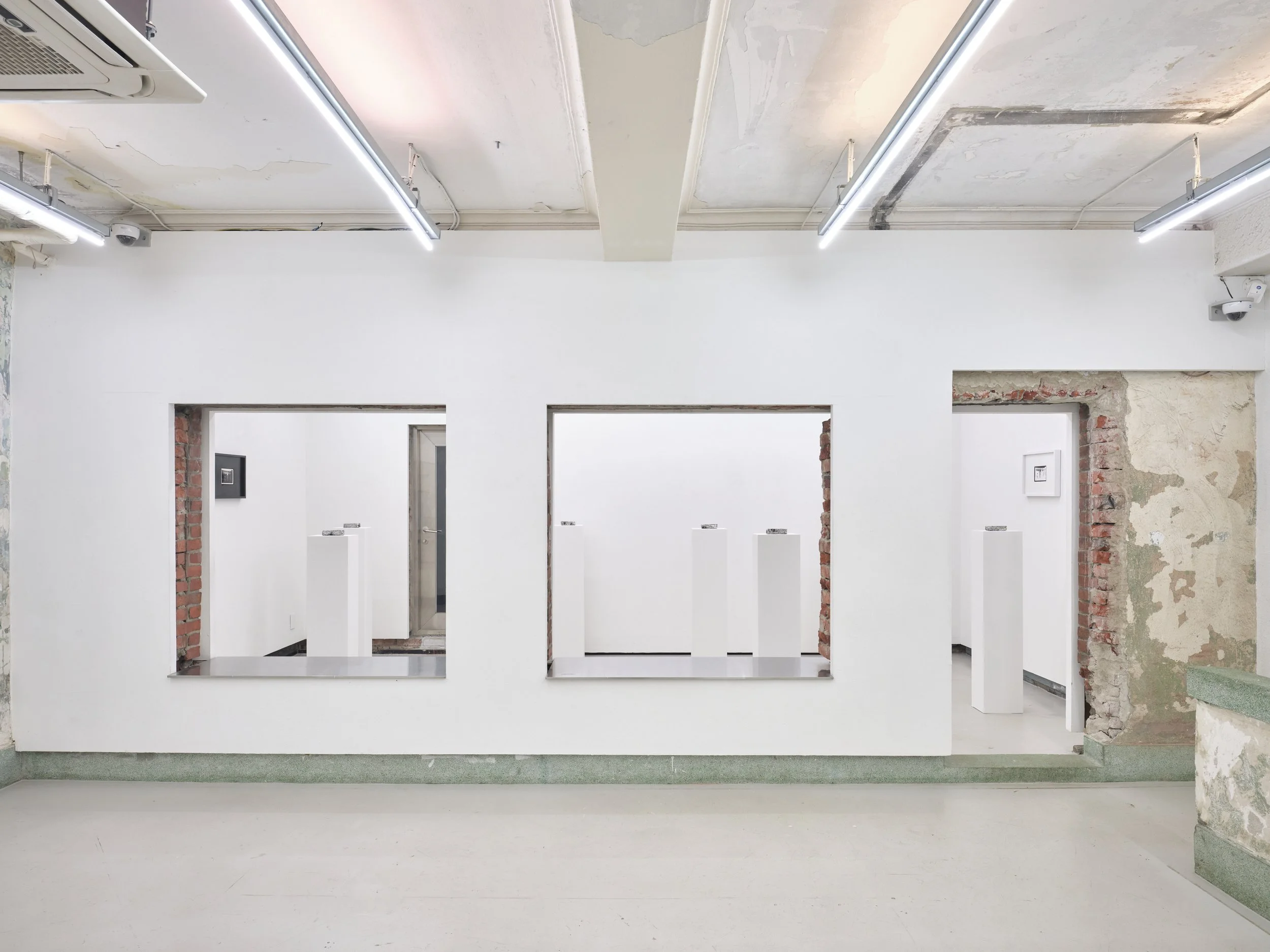
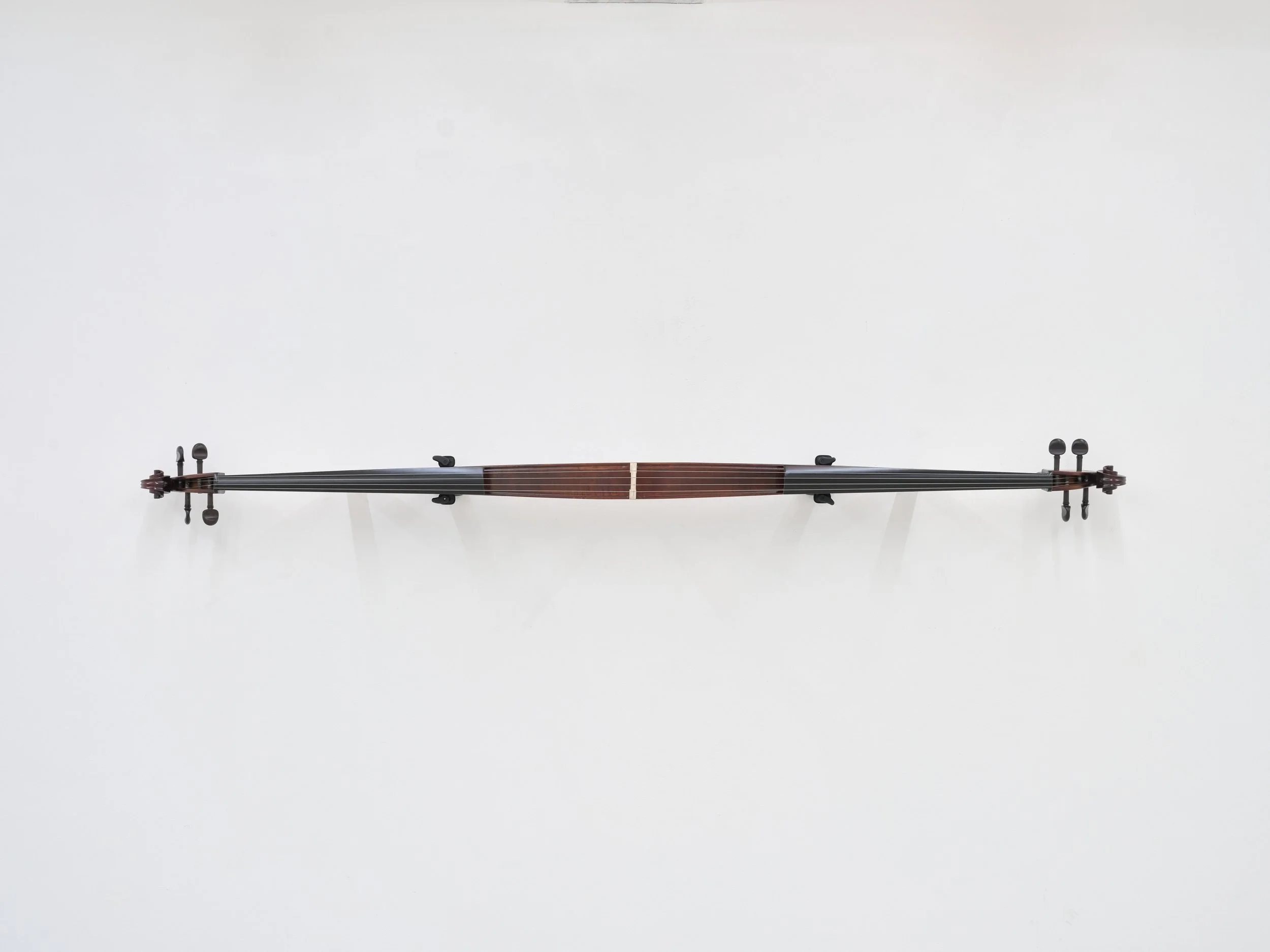
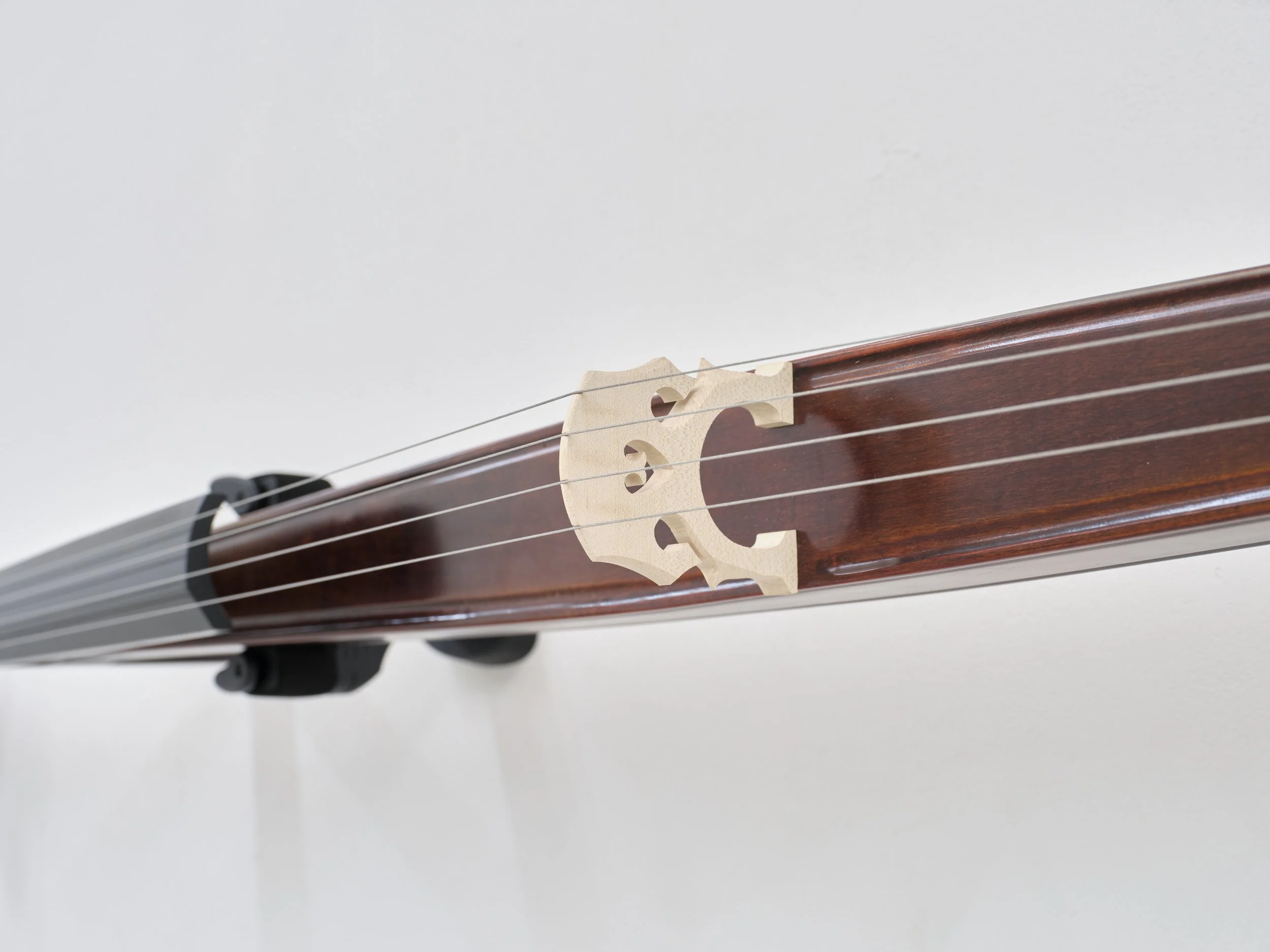
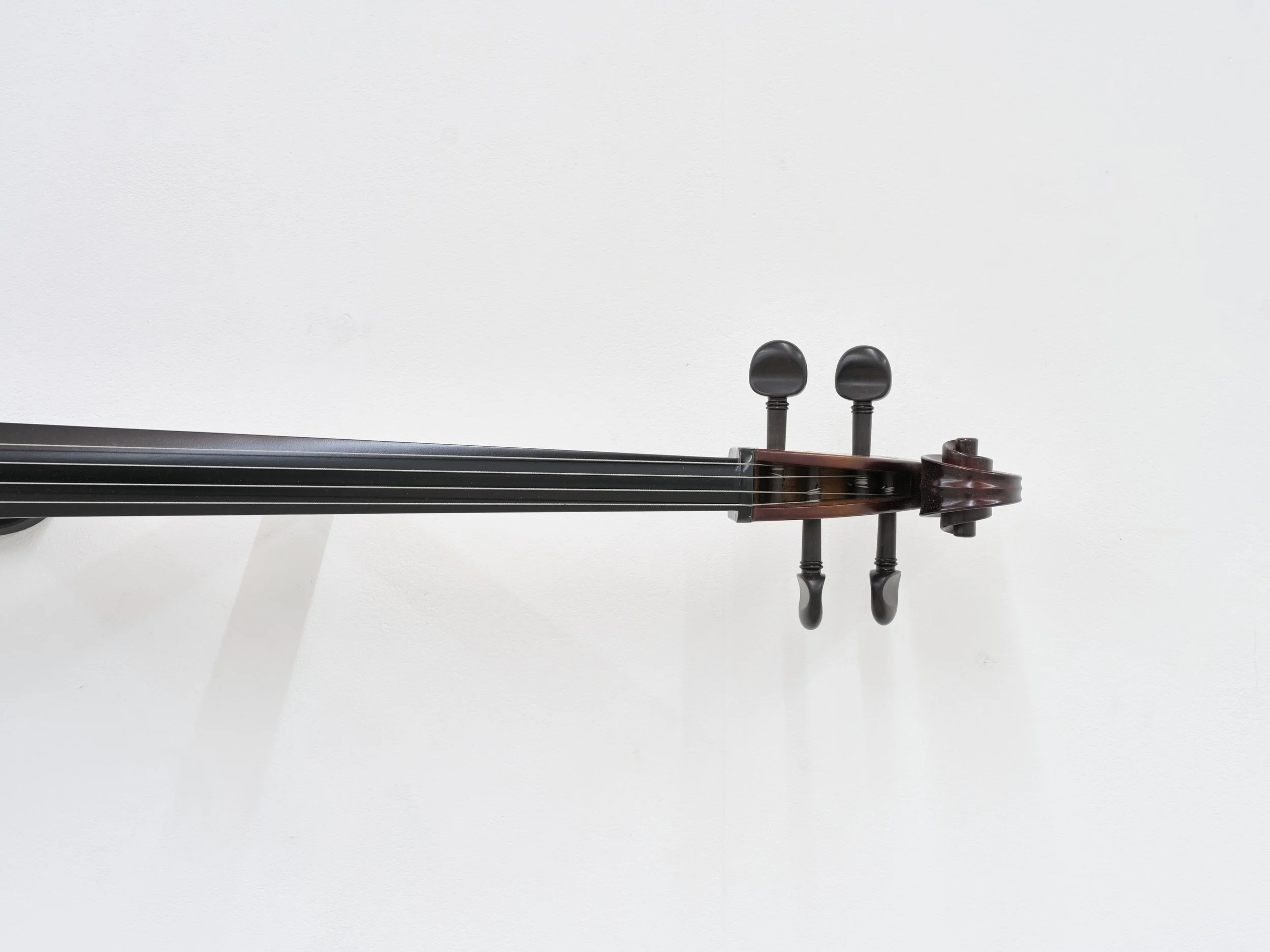
Bow(Vlc, 4/4), 2025
Maple, cello pegs, cello bridge, cello silencer, strings
220×30×30cm
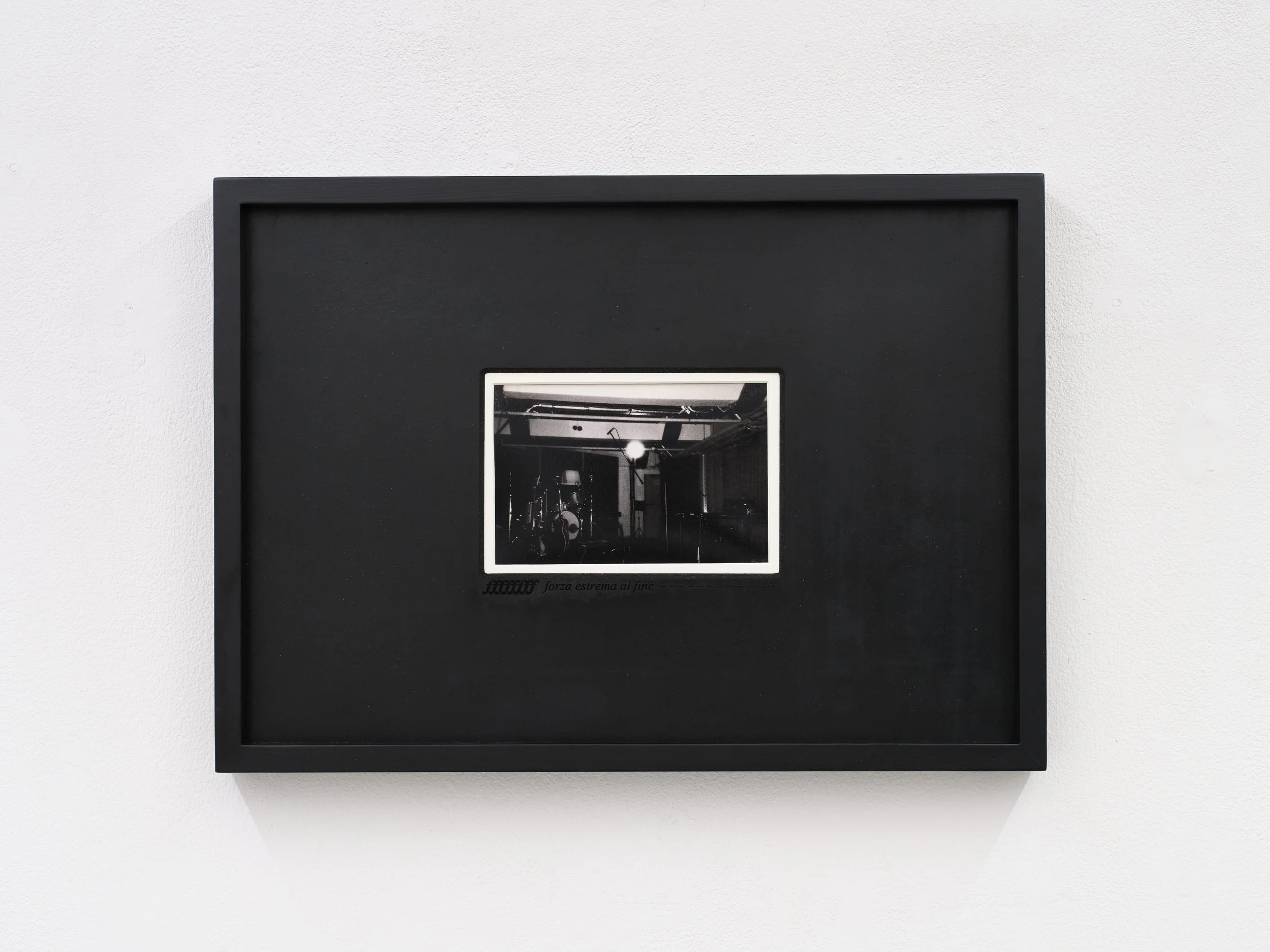
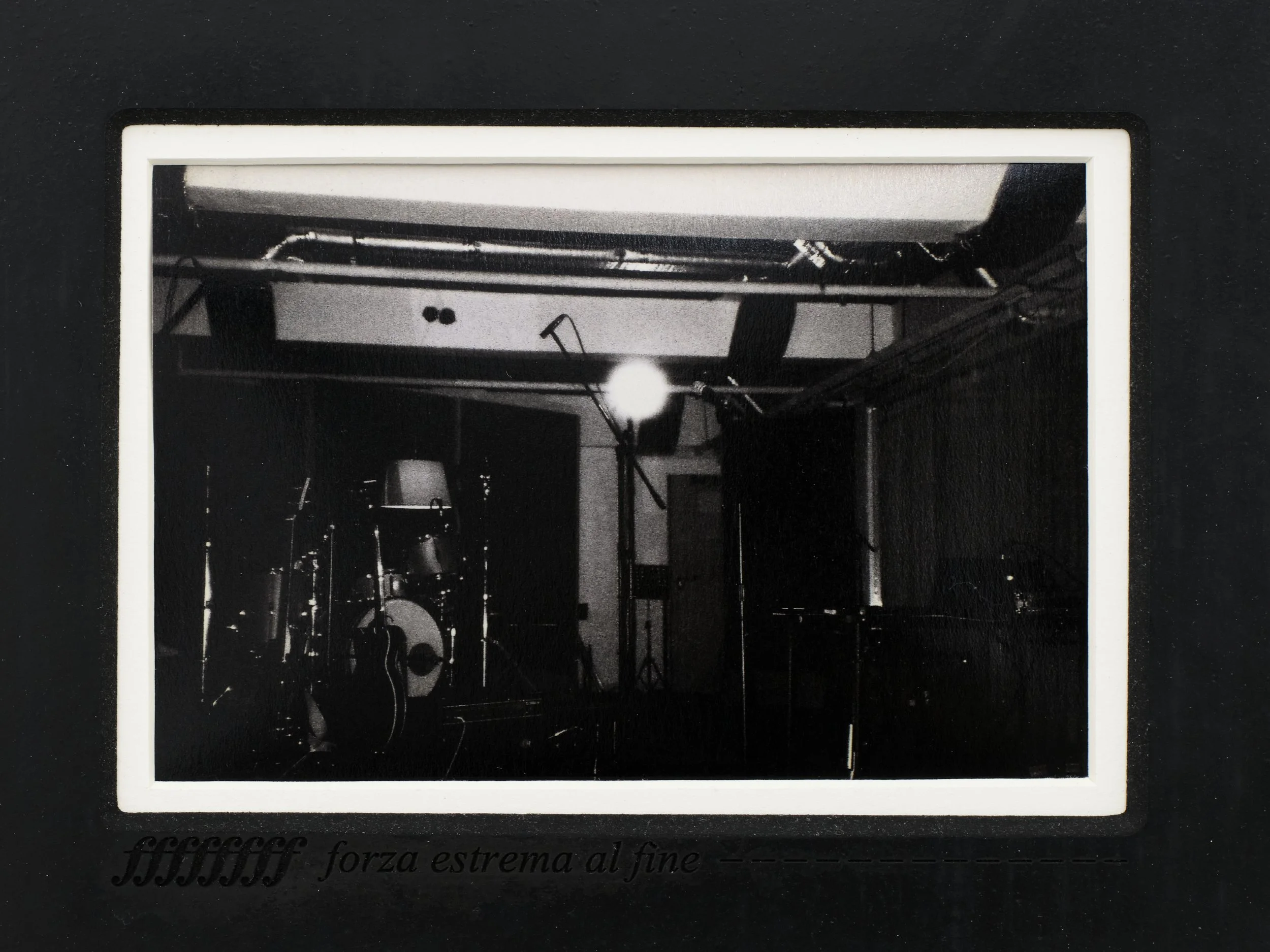
Stop being dramatic(ffffffff), 2026
Pigment print on baryta paper with artist-made rubber mat
29.7x42cm
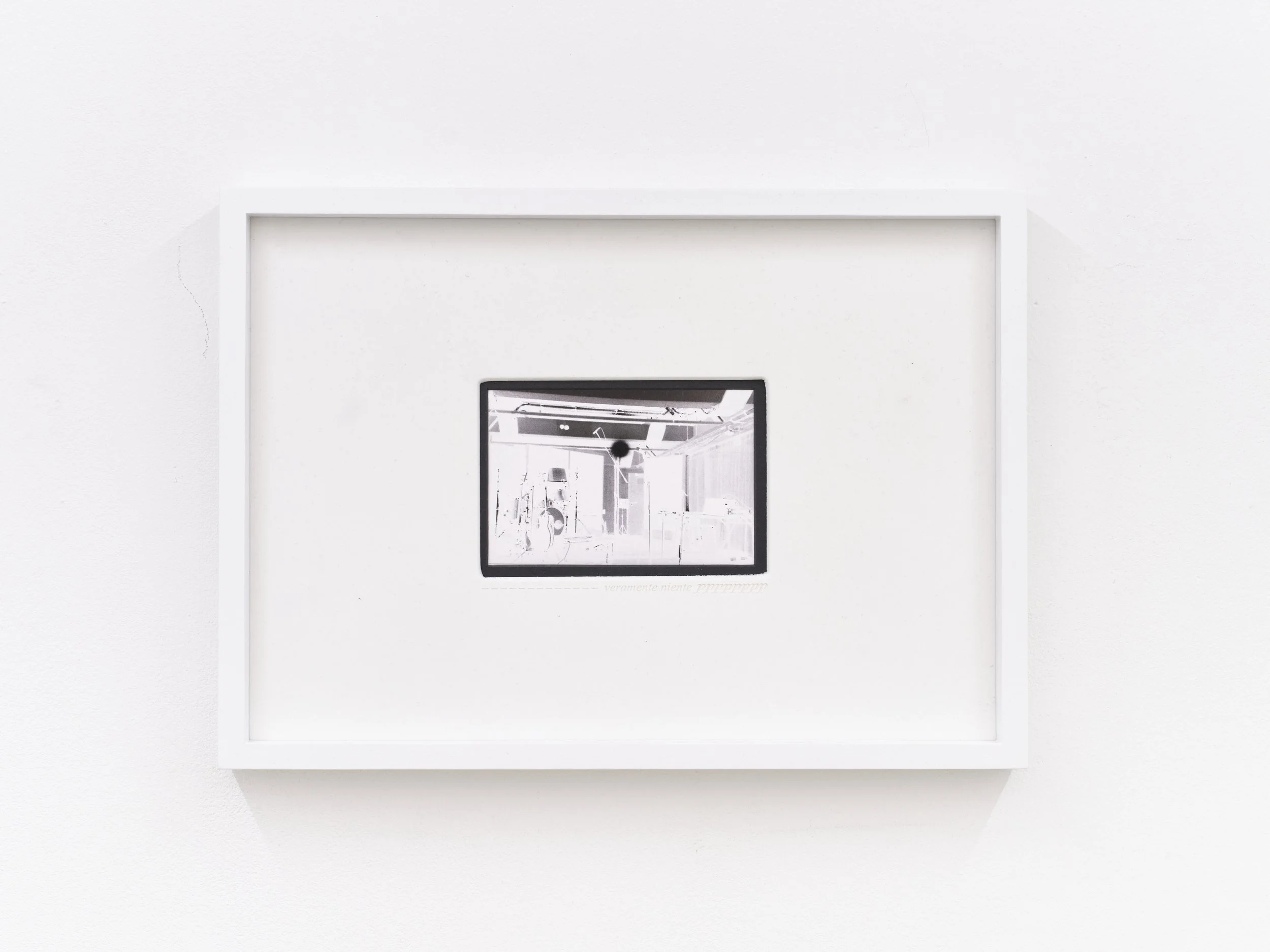
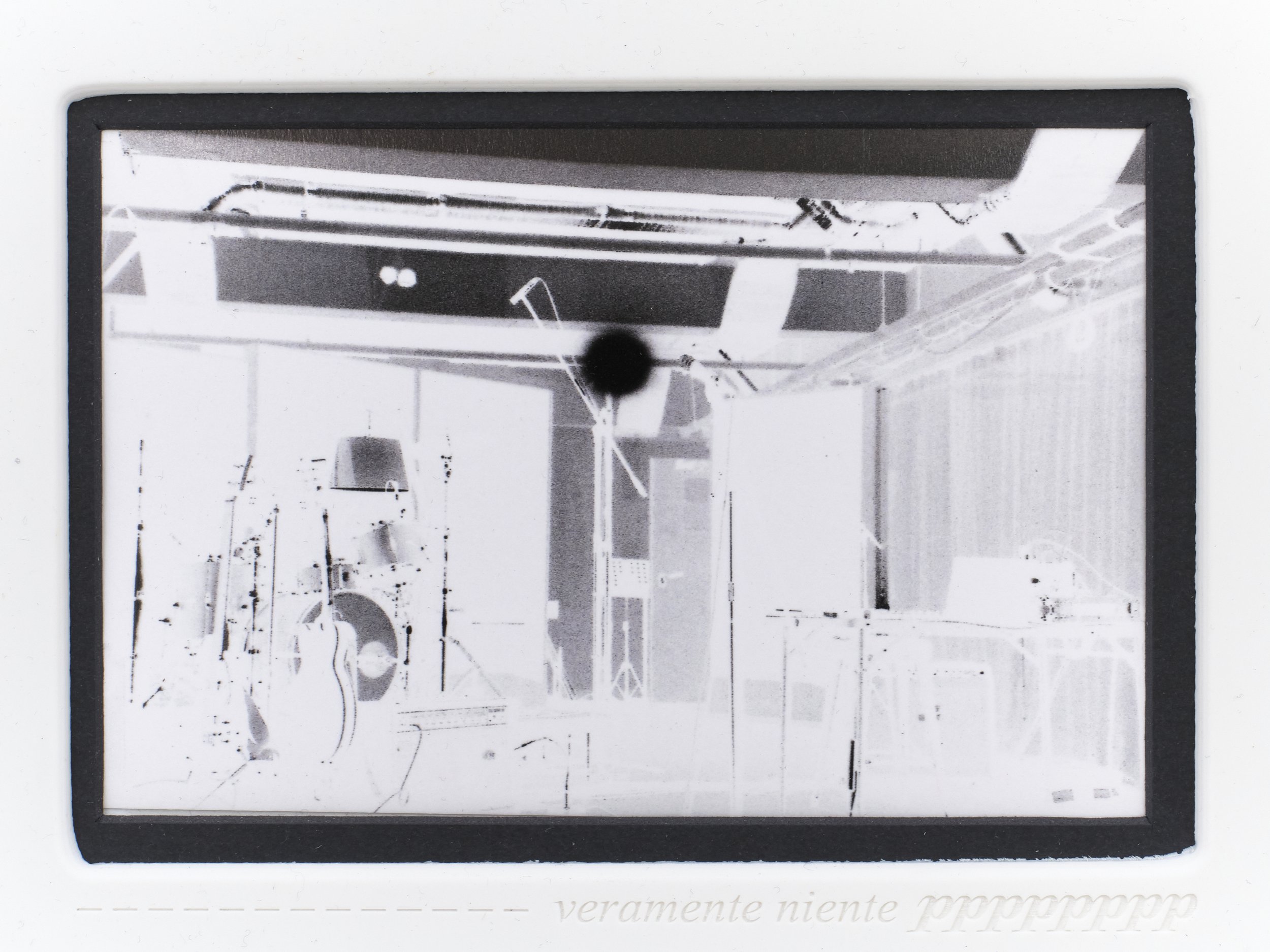
Stop being dramatic(pppppppp), 2026
Pigment print on baryta paper with artist-made rubber mat
29.7x42cm
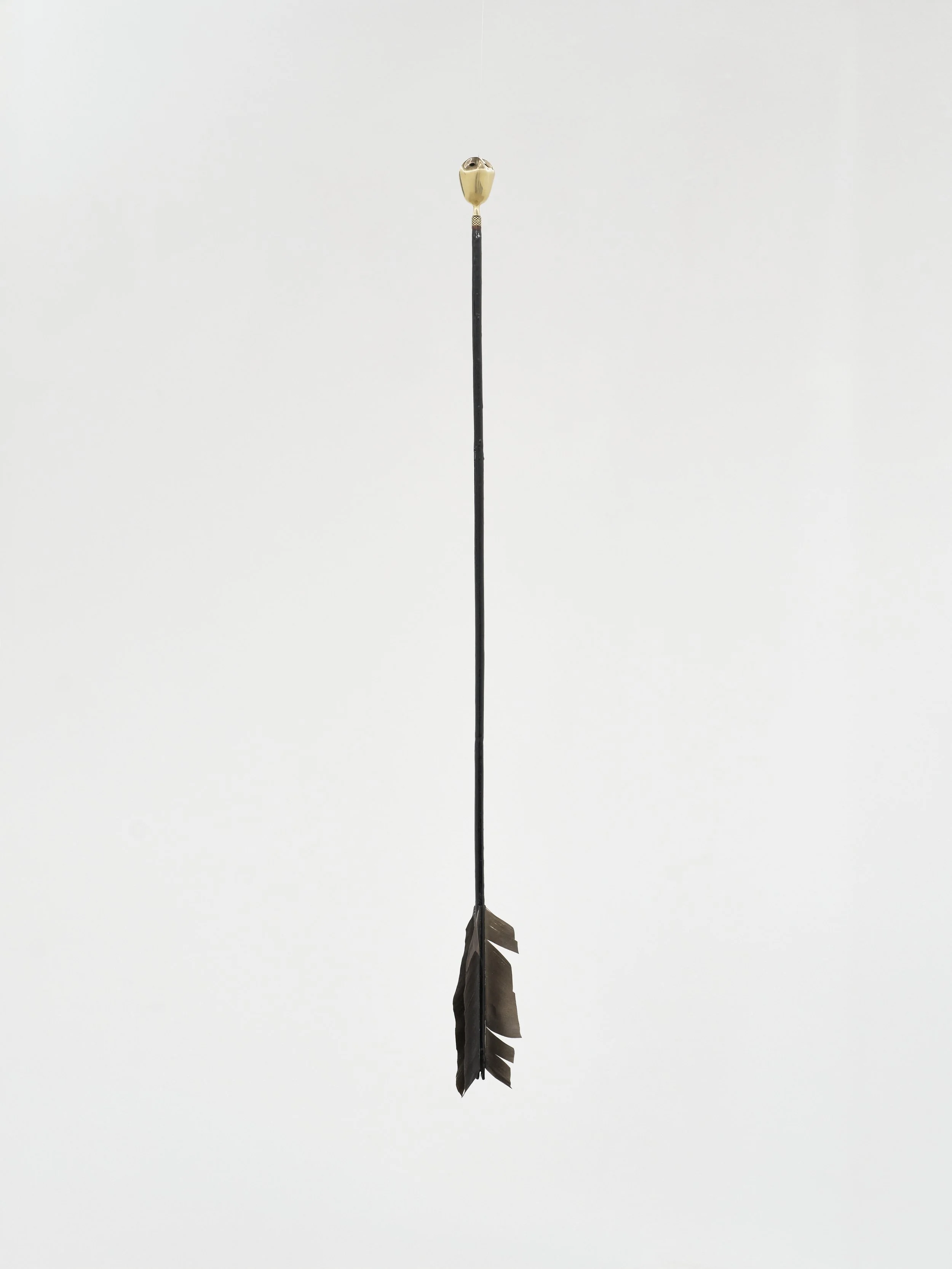
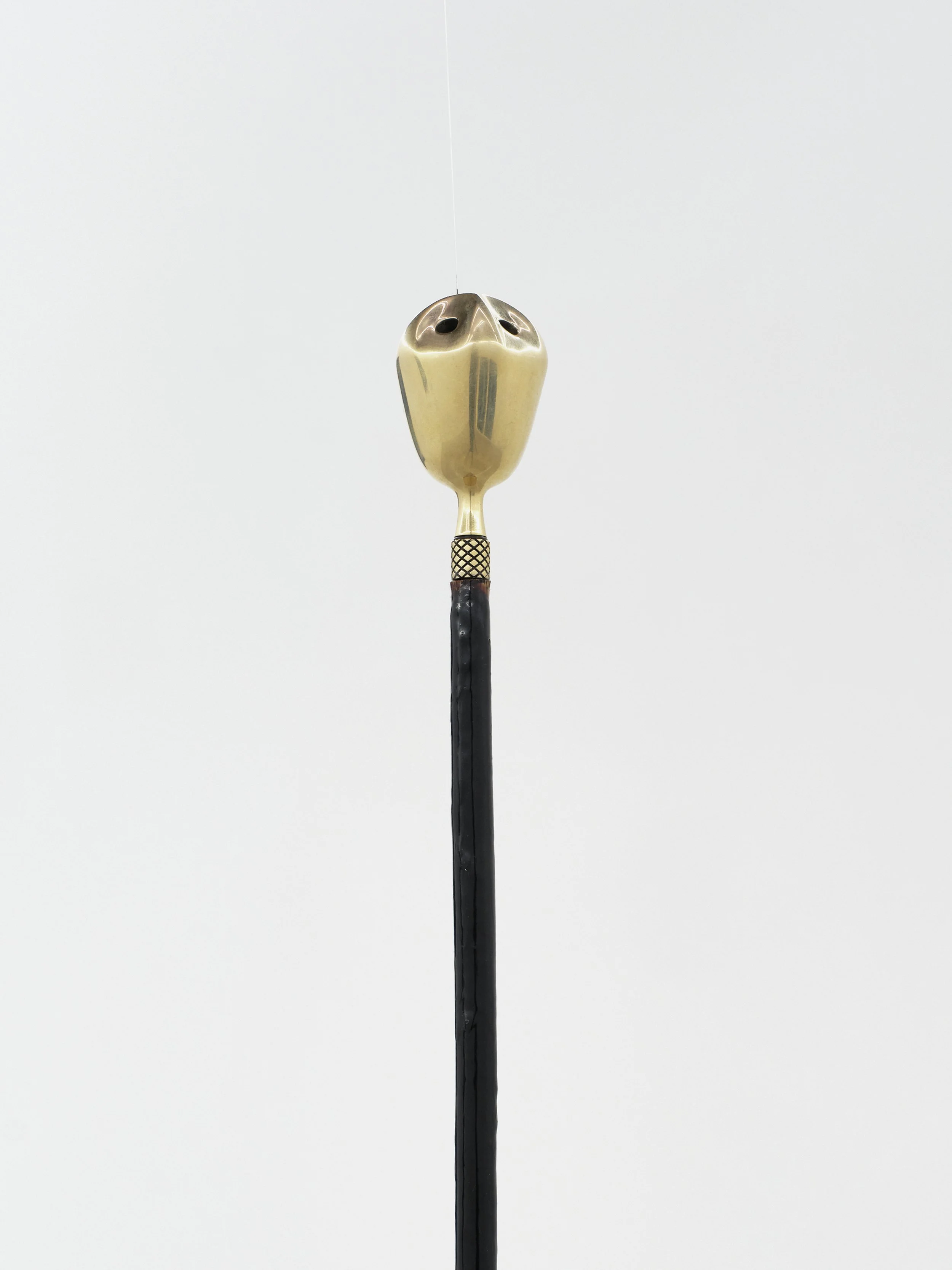
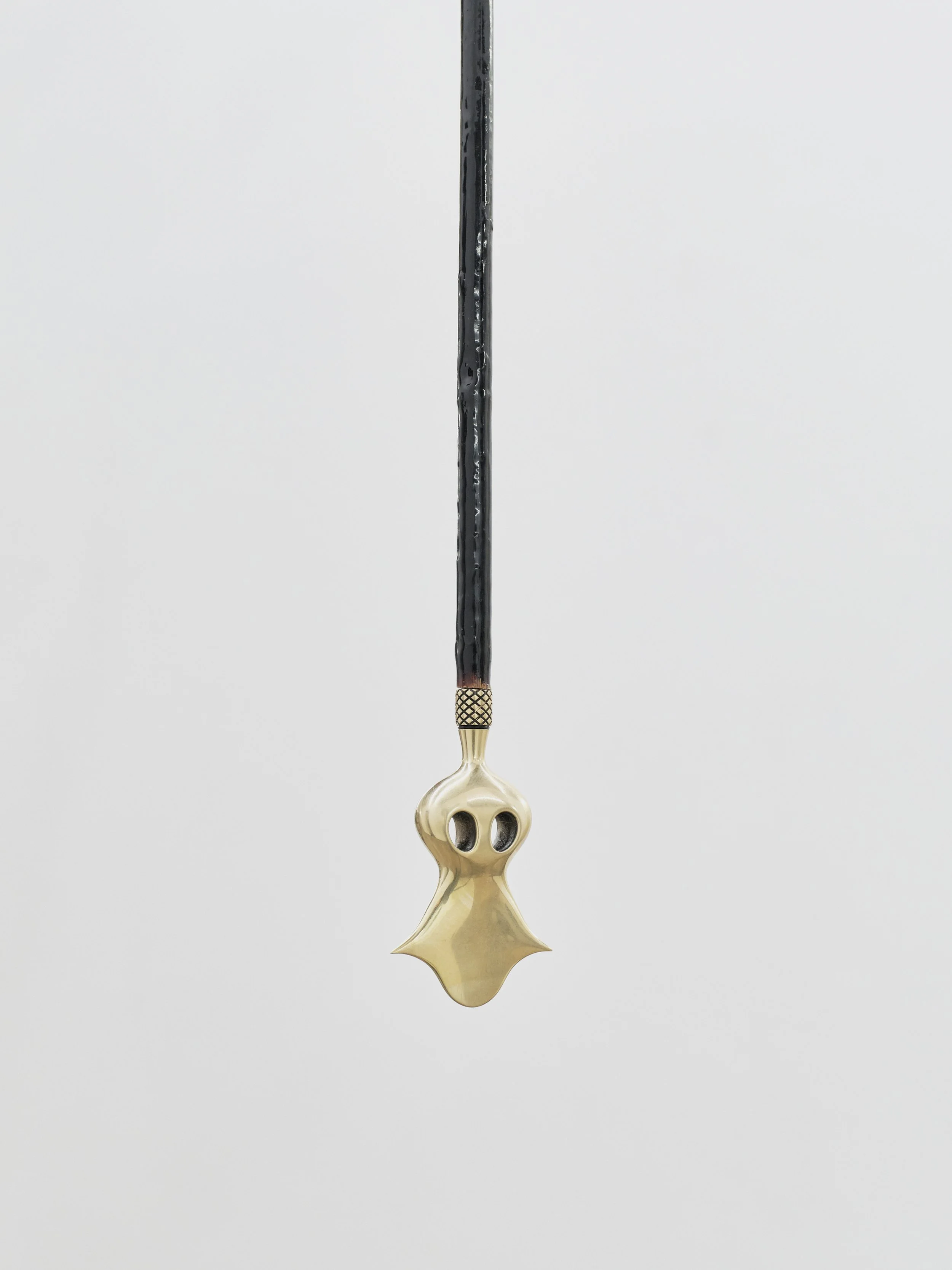
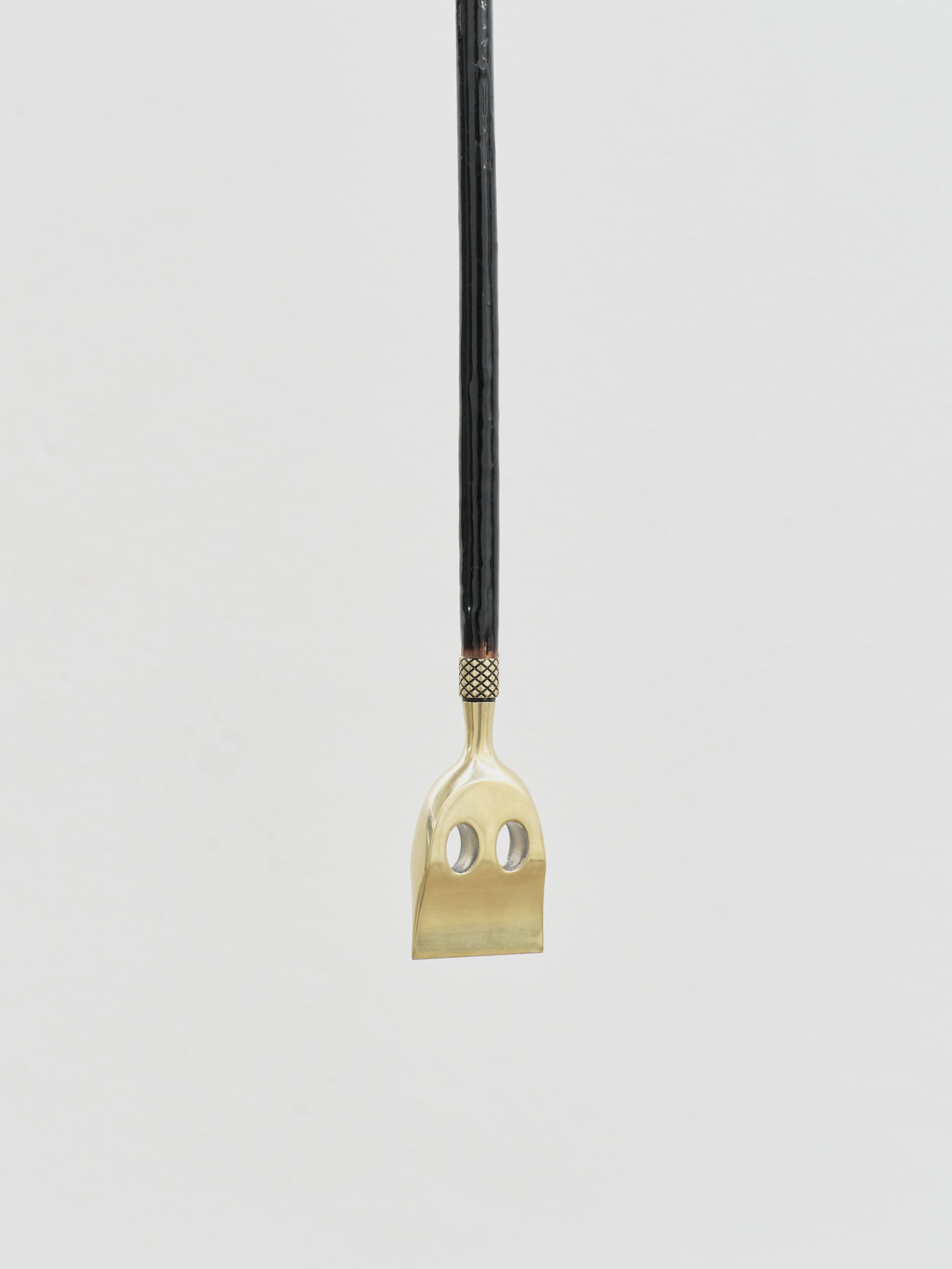
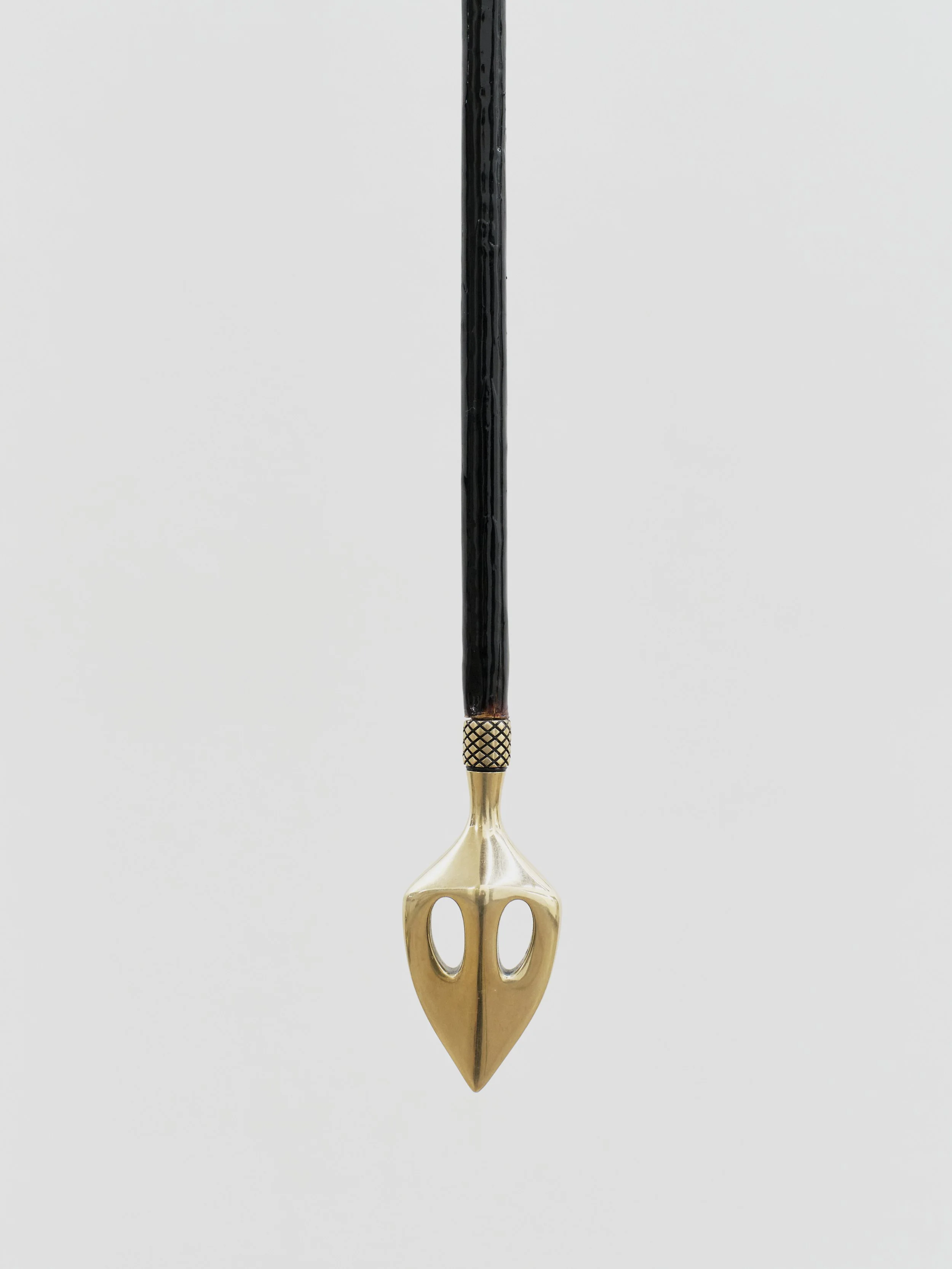
Arrow Ⅰ - Ⅴ, 2026
Brass, rubber, lacquered bamboo, eagle feathers
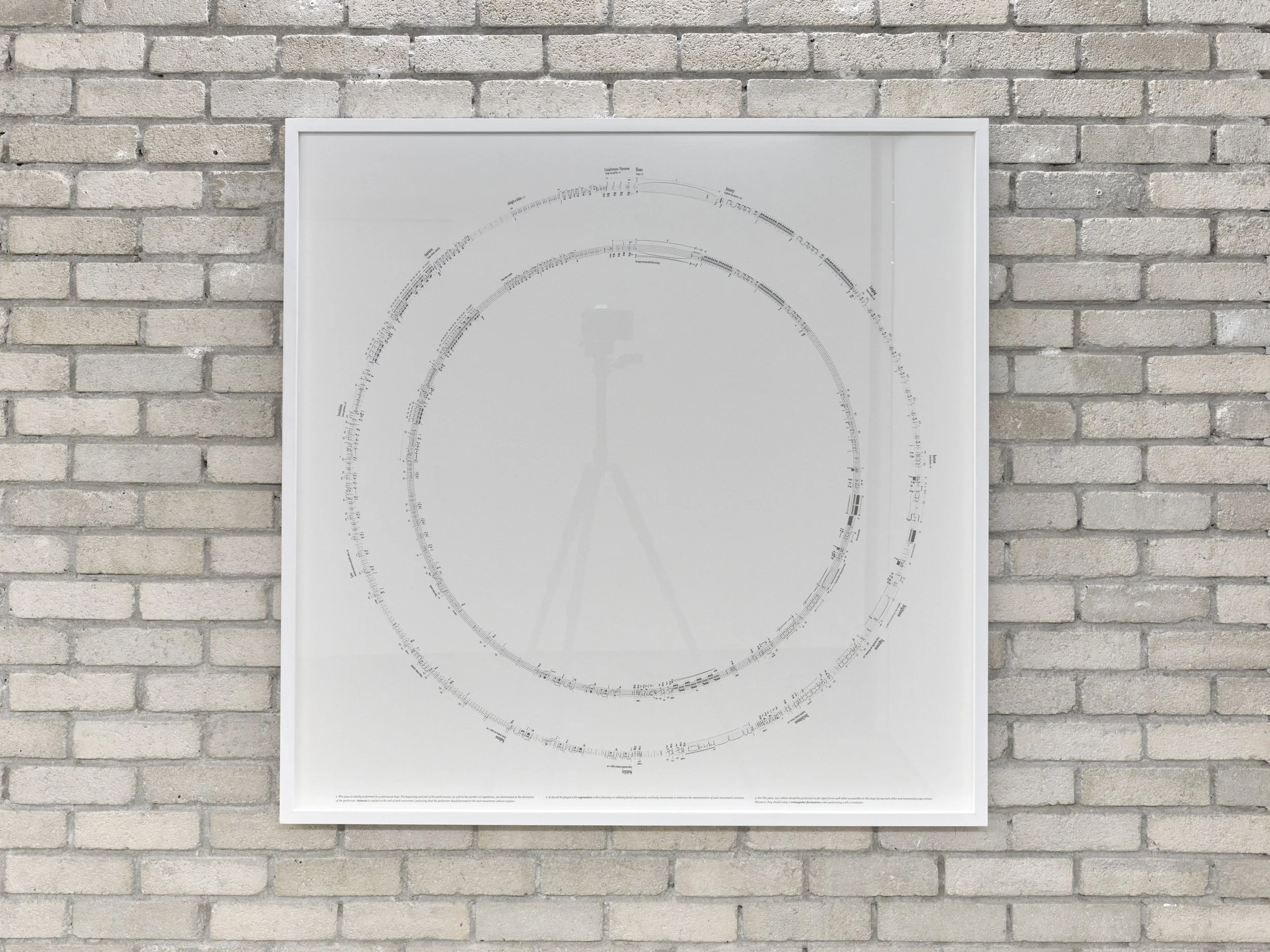
Score for Binary Composition for Two Cellos, 2024
Pigment print on paper, 100x100cm